Project

The WASH response to Covid-19

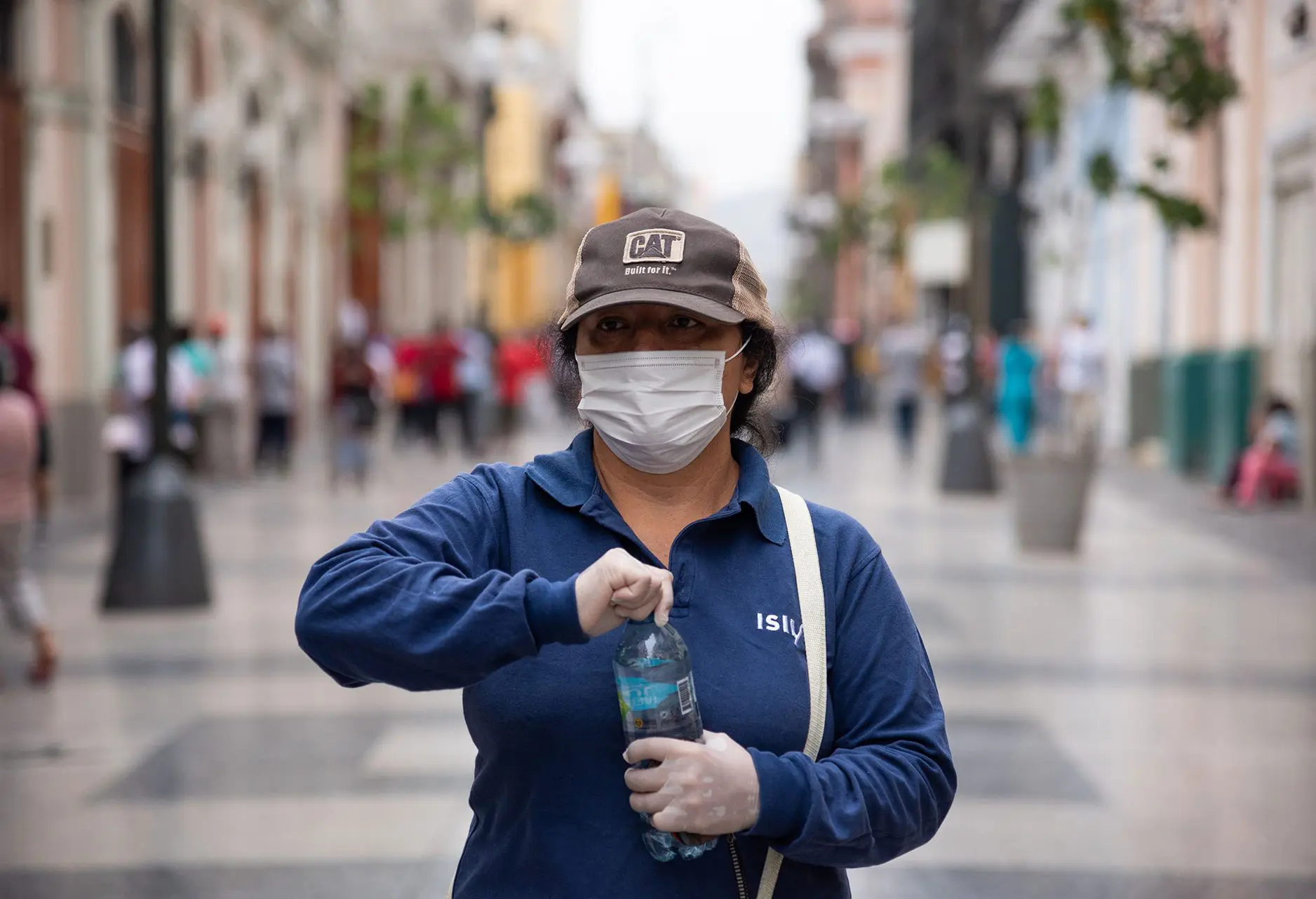
Lima, Peru - May 04, 2020: Woman wearing face masks and opening bottle of water.
In Latin America, the lack of public access to water facilities made it difficult for people to adopt safe sanitation measures. Photo: Joel Salvador / shutterstock
How has the Covid-19 pandemic affected access to water, sanitation, and hygiene (WASH)? SIWI and UNICEF have monitored the international response since March 2020. The resulting reports show both encouraging trends and worrying developments.
Antoine_small
Antoine Delepiere

Senior Programme Manager

antoine.delepiere@siwi.org+46 7 20 50 60 21

The health emergency caused by Covid-19 has affected all countries, to varying degrees. Handwashing with soap and clean water is one of the most efficient ways to prevent the infection, and many countries have implemented measures to mitigate the crisis through WASH.

Covid-19 has exposed and aggravated inequalities linked to income, gender, and disabilities that often determine access to essential services, including WASH. Furthermore, the pandemic revealed a chronic underinvestment in basic public health measures, and a longstanding failure to uphold the human right to water and sanitation.

During the pandemic, many governments have however tried to ramp up services or at least ensure that low-income households are not cut off from water and sanitation due to unpaid bills. But there is now a need for more long-term planning both to give more people access to WASH services and to strengthen water and sanitation utilities.

Initiative mapping

Since the beginning of the outbreak, SIWI together with UNICEF have mapped initiatives implemented by 84 countries in response to the Covid-19 pandemic. The initiatives were categorized in two groups: those aimed at preventing the spread of the disease, through improved hand hygiene and access to water and sanitation services for all, and initiatives proving technical and financial support to water utilities.

Common trends

The mapping showed differences between regions and countries, both in terms of ambition and scope, but there were some common trends, such as:

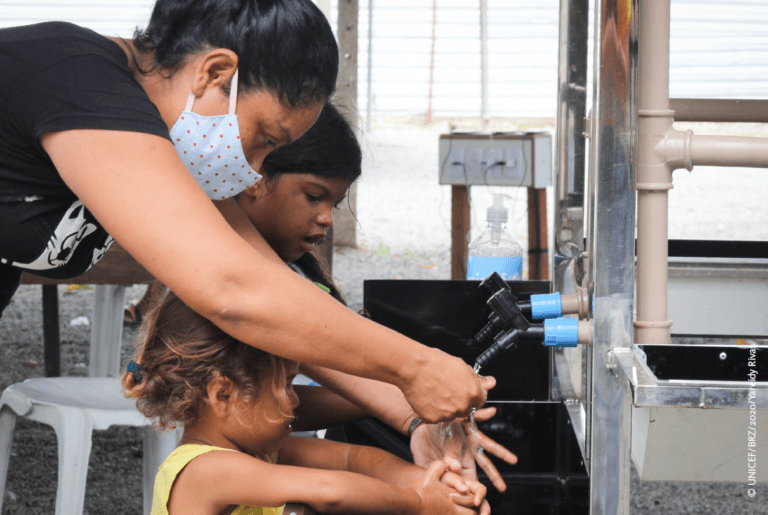
  • Hygiene promotion and other measures to control the infection have been widely adopted, though there has sometimes not been enough soap, water, and handwashing facilities to keep up.
  • Other measures included subsidies to people who cannot afford to pay their water bills and regulations forbidding utilities to forcibly disconnect users from water services.
  • Many more people how become aware of the importance of handwashing from a health perspective.
  • Water and sanitation utilities have made great strides when it comes to working remotely and improving supply chains. Many have established online payment systems, customer complaints mechanisms and similar services.

Potential gaps

The study also found potential gaps, such as:

  • There is still not enough focus on public bathroom access and other forms of decentralized sanitation.
  • Only a third of the countries in the study were actively considering the specific needs of women and girls in the WASH response.
  • There was little mention of how the supply chains for water services and wastewater treatment services could be strengthened and diversified.
  • There was limited evidence of technical and financial support to utilities, especially analyses of the economic viability of water utilities in the short to medium term.

Priorities

Infection prevention and control measures directed at households and institutions are instrumental to stopping the spread of the virus. All households should have a handwashing facility and easy, affordable access to basic hygiene products so that they can keep the home clean and disinfected. It is important to raise awareness of why people with symptoms should isolate themselves and why family members should avoid sharing towels, cups, and cutlery. In institutions, it is vital to secure uninterrupted access to water and sanitation services, with equipment for protection and prevention.

Recommendations

For the future, these policies or interventions can be recommended:
  • Ensure that utilities and services are resilient to the growing threats related to climate change impacts.
  • Improve and strengthen service delivery in urban slums, public spaces, health care facilities and schools as societies are opening up again. There is generally a lack of support to the most vulnerable households, rural areas, and informal settlements.
  • Similarly, both urban and rural water and sanitation operators suffer from a lack of support that could make them unable to continue delivering services. Unless technical and financial support is scaled up, they could face serious problems, even in the short to medium term. Both types of support are essential to ensure the financial viability of utilities so that they can continue to provide critical services.
  • Sanitation has rarely been included in Covid-19 response plans, putting vulnerable groups at high risk of infection. There are important lessons to learn for the future.
  • Hygiene promotion as well as infection prevention and control need to continue, with a focus on public spaces. To be effective they must be matched with commitments to provide schools and health care facilities with adequate access to soap and water.

Strengthening WASH for a safe return to school

How can schools open up safely after having been closed due to Covid-19? SIWI is collaborating with UNICEF’s regional offices in Latin America & the Caribbean and the Middle East & North Africa to ensure a safe return to school.
Learn more about WASH in Schools
Accoun2
YOUR INFORMATION