Stay informed
SIWI newsletter
Receive SIWI’s latest news, events, reports and jobs directly in your inbox.
You can unsubscribe at any time.

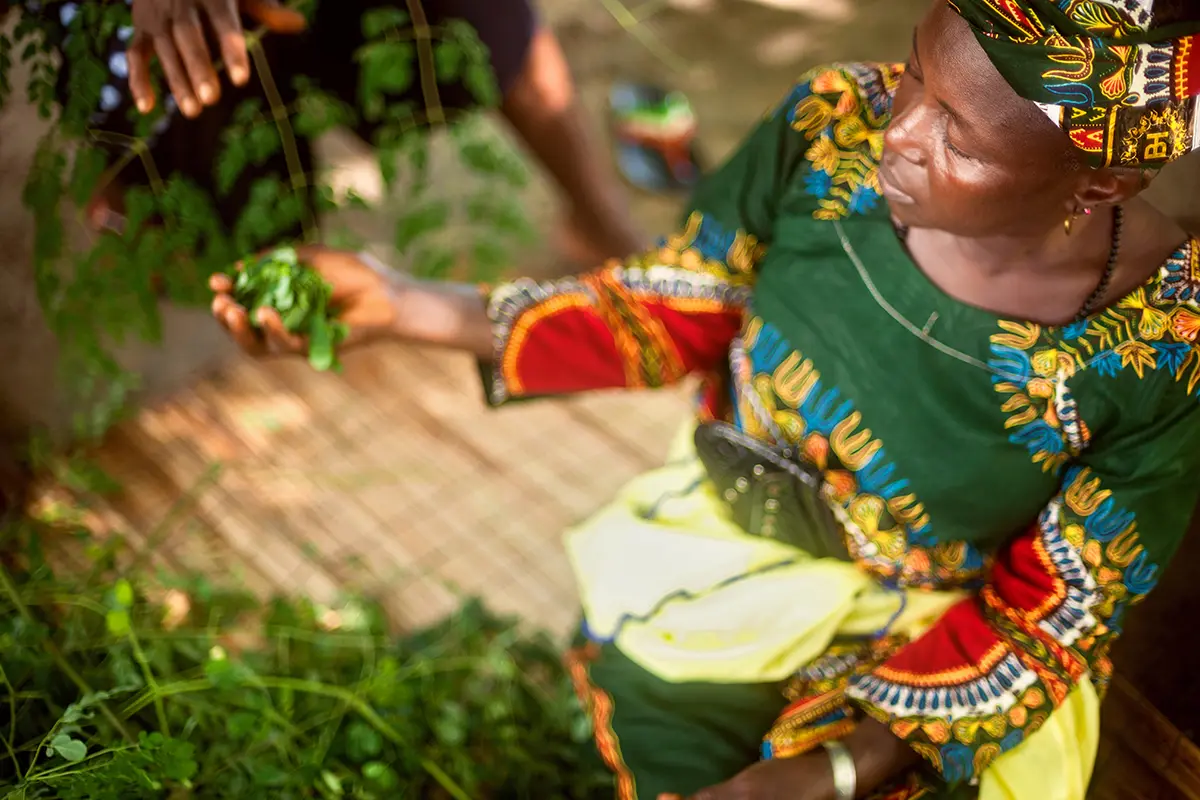

This paper, published by Swedish Institute of International Affairs, argue that advancing women’s empowerment and financing women-led organizations present an opportunity to prevent ANSAs from using natural disasters or disease outbreaks such as the COVID-19 pandemic to increase their legitimacy by providing public healthcare and WASH services, while also ensuring that the gendered consequences of disease outbreaks are taken into account.
Said, A., Saikia, P. & Klimes, M. (2020) Tracing Intersections of COVID-19: Gender, Water and Armed Conflicts. UI Paper no. 7, October 2020.
Cite as: Panchali Saikia and Martina Klimes (2020). Tracing intersections of COVID-19: Gender, water and armed conflicts. Stockholm International Water Institute (SIWI). https://siwi-rest-api.vercel.app/publications/tracing-intersections-of-covid-19-gender-water-and-armed-conflicts

Reports and papers·Jun 4, 2024

Reports and papers·Jan 2, 2024
Reports and papers·May 8, 2023
Supporting knowledge products·Mar 7, 2023