

Stay informed
SIWI newsletter
Receive SIWI’s latest news, events, reports and jobs directly in your inbox.
You can unsubscribe at any time.

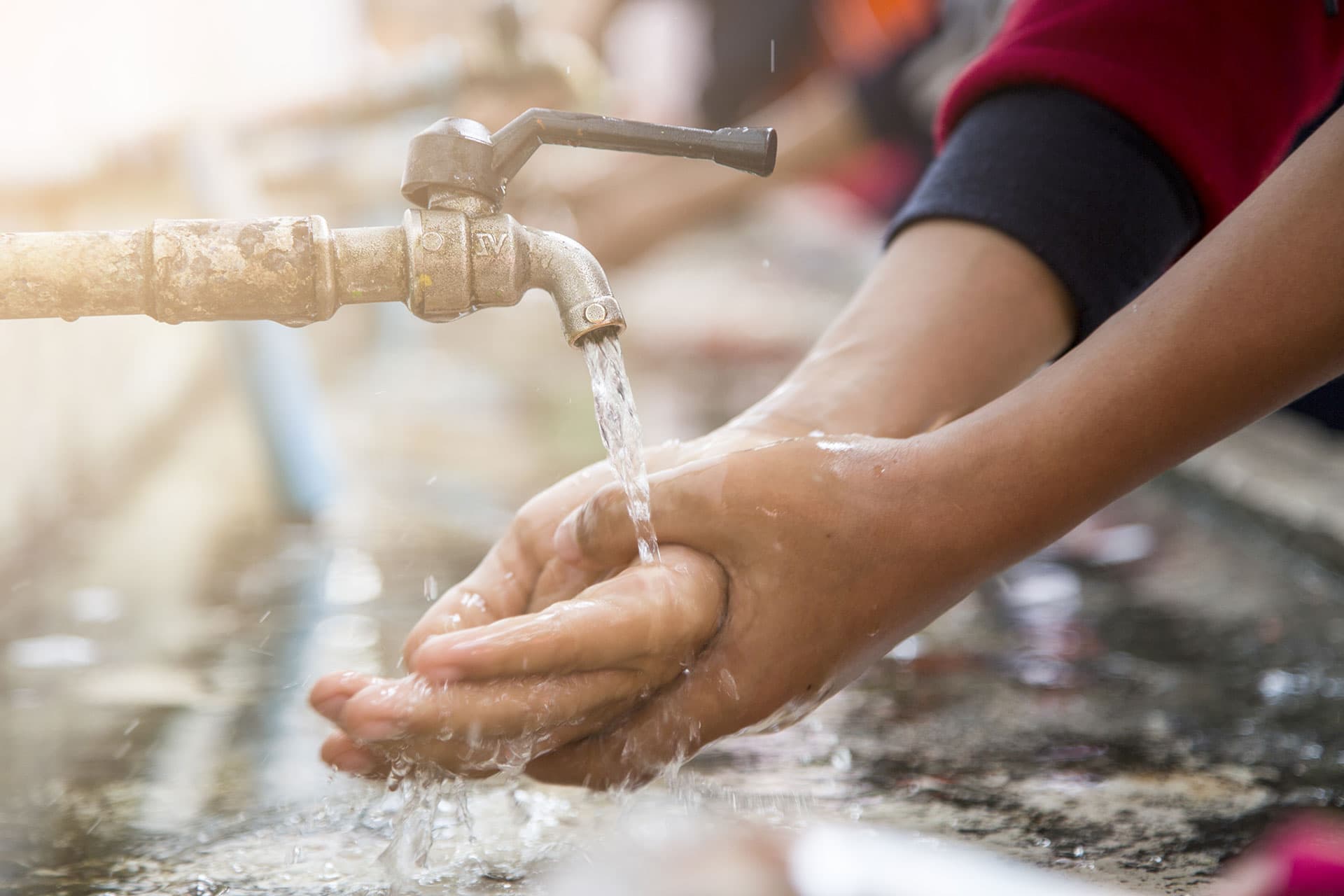
School closings around the world in response to the Covid-19 pandemic have put children’s education and well-being at risk. But when schools are opening again, it must be done in a safe manner, with sufficient access to water and sanitation, to prevent a new wave of infections. Governments need to accelerate progress to ensure that all schools can provide basic water, sanitation, and hygiene services.
To address these concerns, SIWI has partnered with UNICEF’s regional offices for Latin America & Caribbean and the Middle East & North Africa respectively. Based on UNICEF’s Safe School Reopening Guidelines, we have mapped the measures taken in 19 countries and created a framework to help schools resume operations in a safe manner.
The Covid-19 pandemic has highlighted the need for safe WASH infrastructure and services in schools. It is important that these have a gender focus and that they are resilient also to future health crises and climate risks.
Every child has the right to a quality education, which includes access to drinking water, sanitation and hygiene services while at school. Children spend a significant portion of their day at school where WASH services can impact student learning, health, and dignity, particularly for girls. No child should die or become ill because of attending a school where contaminated water is drunk, where they are exposed to other people’s excrement, or where there is no adequate place to wash their hands. Moreover, no girl should drop out of school because of a lack of menstrual hygiene management.
Having access to WASH is essential to achieving the Sustainable Development Goals, especially targets 4.a, 6.1, 6.2; it can be considered key components of a ‘safe, non-violent, inclusive and effective learning environment’ and of universal WASH access, also outside of the home. There are important synergies between SDG 6 on water and sanitation and SDG 13 on climate change, which is causing increasingly frequent and severe extreme weather events such as floods, storms, and droughts. The Sendai Framework on Disaster Risk Reduction emphasizes the importance of strengthening the disaster resilience of water infrastructure and Priority 4.