
Stay informed
SIWI newsletter
Receive SIWI’s latest news, events, reports and jobs directly in your inbox.
You can unsubscribe at any time.

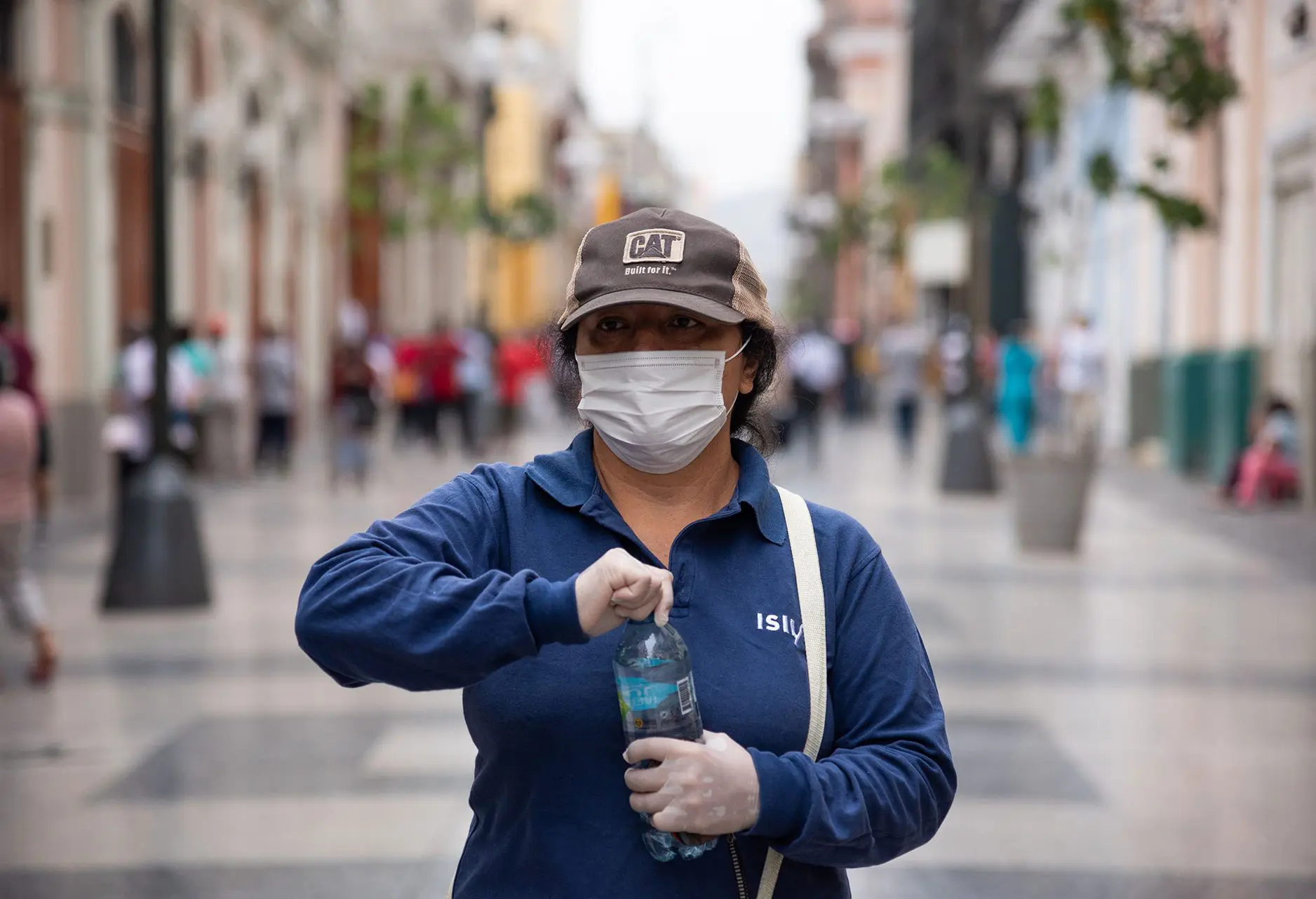

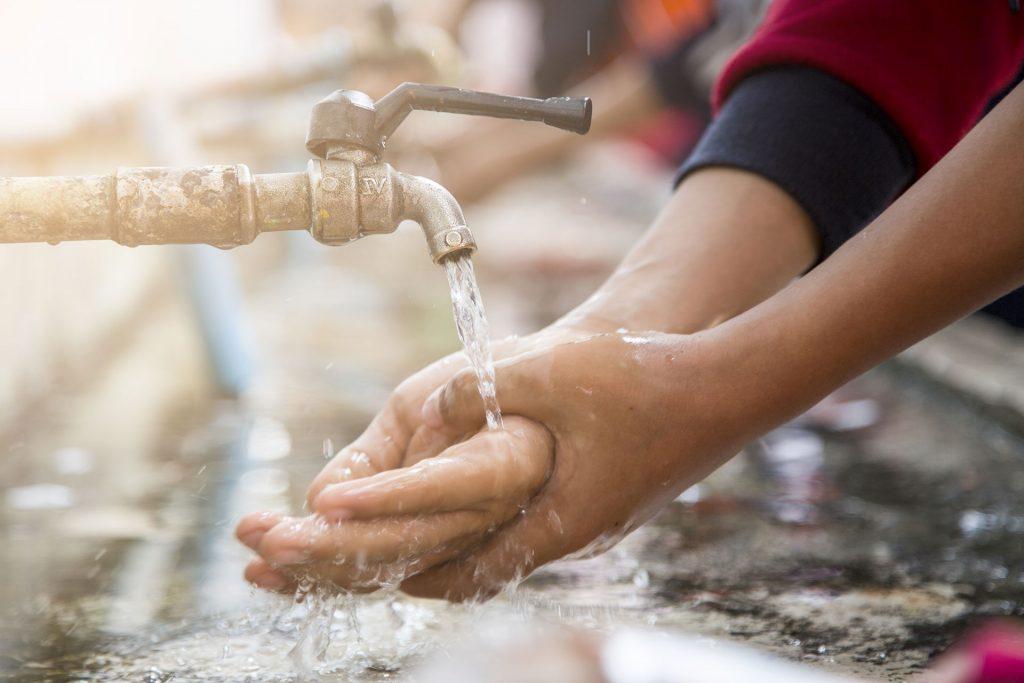
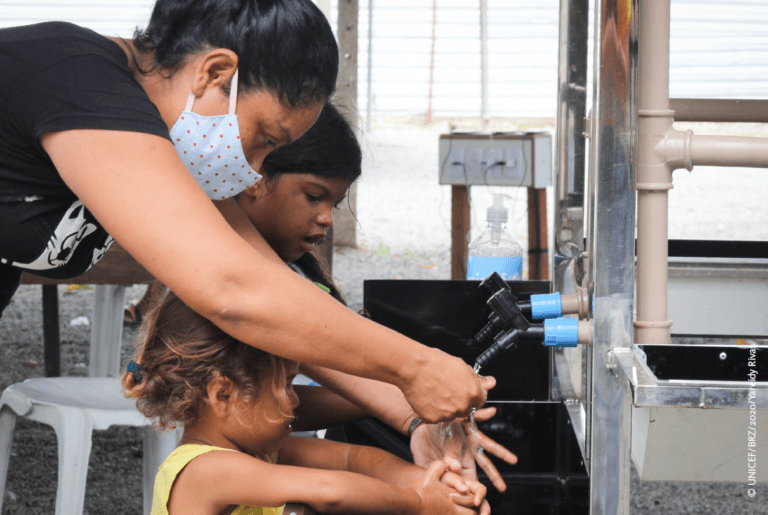
The health emergency caused by Covid-19 has affected all countries, to varying degrees. Handwashing with soap and clean water is one of the most efficient ways to prevent the infection, and many countries have implemented measures to mitigate the crisis through WASH.
Covid-19 has exposed and aggravated inequalities linked to income, gender, and disabilities that often determine access to essential services, including WASH. Furthermore, the pandemic revealed a chronic underinvestment in basic public health measures, and a longstanding failure to uphold the human right to water and sanitation.
During the pandemic, many governments have however tried to ramp up services or at least ensure that low-income households are not cut off from water and sanitation due to unpaid bills. But there is now a need for more long-term planning both to give more people access to WASH services and to strengthen water and sanitation utilities.
Since the beginning of the outbreak, SIWI together with UNICEF have mapped initiatives implemented by 84 countries in response to the Covid-19 pandemic. The initiatives were categorized in two groups: those aimed at preventing the spread of the disease, through improved hand hygiene and access to water and sanitation services for all, and initiatives proving technical and financial support to water utilities.
The mapping showed differences between regions and countries, both in terms of ambition and scope, but there were some common trends, such as:
The study also found potential gaps, such as:
Infection prevention and control measures directed at households and institutions are instrumental to stopping the spread of the virus. All households should have a handwashing facility and easy, affordable access to basic hygiene products so that they can keep the home clean and disinfected. It is important to raise awareness of why people with symptoms should isolate themselves and why family members should avoid sharing towels, cups, and cutlery. In institutions, it is vital to secure uninterrupted access to water and sanitation services, with equipment for protection and prevention.
For the future, these policies or interventions can be recommended: