



Stay informed
SIWI newsletter
Receive SIWI’s latest news, events, reports and jobs directly in your inbox.
You can unsubscribe at any time.


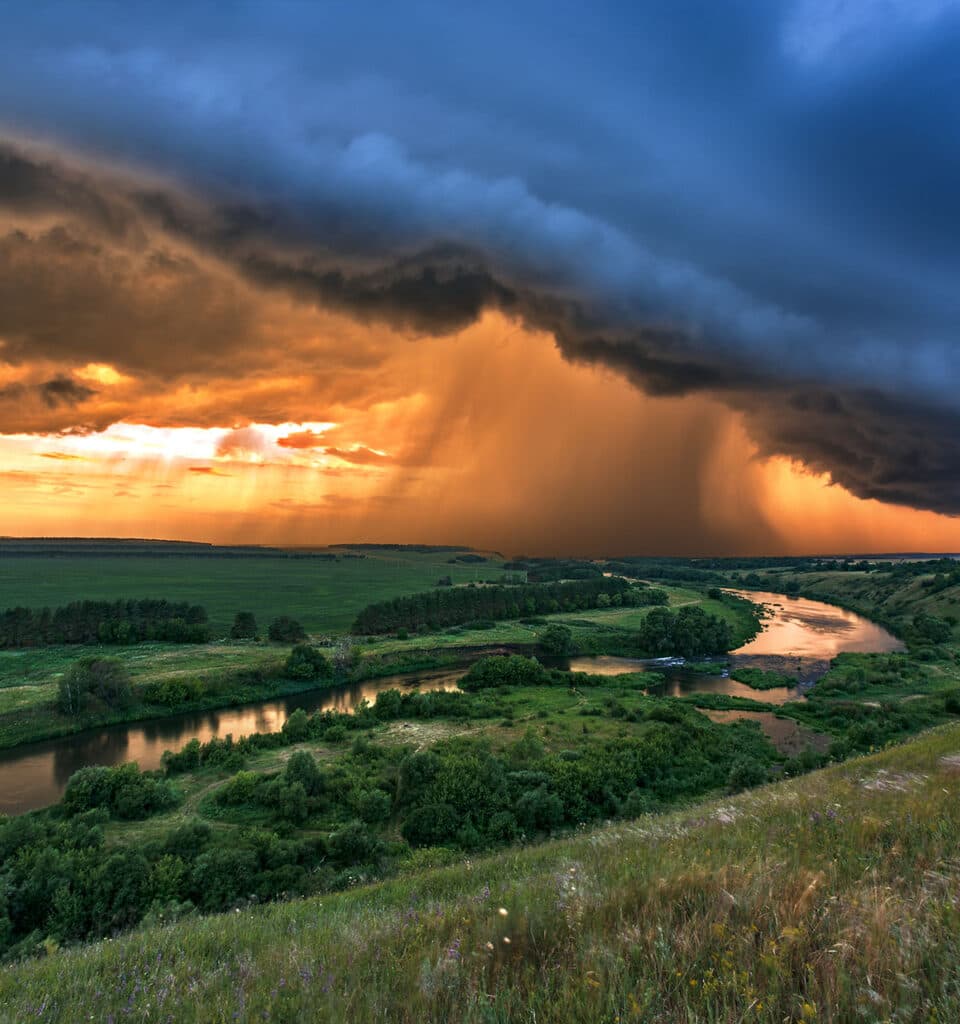
Climate change is rewriting the global water cycle. Rainfall is shifting, droughts and floods are intensifying, soils are drying, glaciers are melting, and groundwater is under pressure. Water is becoming harder to predict — and much harder to manage.
This makes water governance one of the most decisive challenges of our time. Good governance helps societies adapt, protects ecosystems, strengthens economies, and reduces inequality. Weak governance leaves communities exposed and institutions overwhelmed.
This thematic area focuses on how the world can govern water wisely when the climate itself is changing.
When the water cycle changes, everything else does too: food production, energy systems, cities, economies, ecosystems, and public health. Climate change has made risk the new normal — but governance determines whether that risk becomes crisis or resilience.
Stronger, climate-informed governance is essential to secure water for people and nature, reduce disaster impacts, and keep countries on a sustainable development path.
We help bridge that gap by:
Aligning water and climate action helps protect lives, sustain development, and build long-term resilience.
Ignoring green water means overlooking the foundation of food security and resilience.
We help advance governance of the full hydrological cycle by:
Governing all water—not just what we can see—is essential for climate-resilient societies.