Organized by Stockholm International Water Institute (SIWI), World Water Week is the leading global conference for dialogue…
World Water Week in Stockholm is an annual, non-profit event organized by SIWI, convening decision-makers…
Each year, World Water Week brings together actors who rarely meet elsewhere: governments, companies…
Over 35 years, World Water Week has evolved from a small scientific gathering into a global meeting place, reflecting changing …
What Swedish Water House is: Connecting Sweden to global water governance
Swedish Water House works by creating spaces where Swedish actors can meet, exchange perspectives, and engage …
Events and seminars are a core way in which Swedish Water House connects Swedish actors to global water issues.
Shaping decisions that secure water for the future
A clear overview of who we are and where we are heading
SIWI was founded in 1991
How SIWI works, who we are, and the people driving our mission
Partnerships are at the heart of how SIWI works
Connect
Water connects climate, economies, ecosystems, resilience, and the prospects of peace.
Explore key water topics and how they influence people, nature, and sustainable development worldwide
Water sustains the food we grow, the economies we depend on and the ecosystems we live in.
Connecting people, knowledge, and decisions to create lasting water impact
Bringing people together to shape collective water solutions
Connecting trusted knowledge with policy and practice
Strengthening the ability to govern water in practice
Stay up to date with SIWI’s latest resources
391 results
Guidance, methods and frameworks.Jun 24, 2020
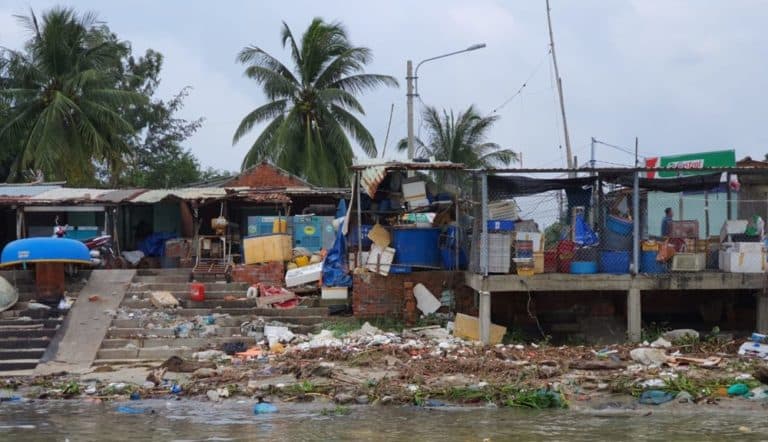
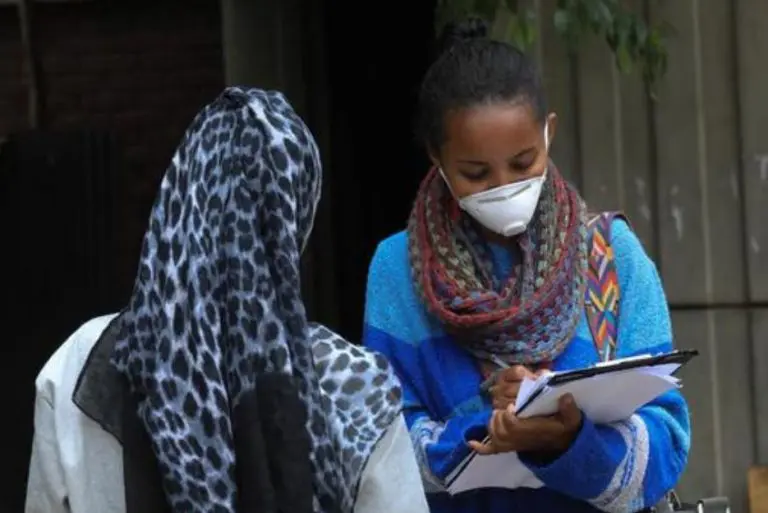
The Foundations for Source-to-Sea Management Toolkit is a companion to Implementing the Source-to-Sea Approach: A Guide for Practitioners and Source-to-Sea Framework for Marine Litter Prevention: Preventing Plastic Leakage from River Basins developed as a result of piloting the source-to-sea approach in the Vu Gia-Thu Bon River Basin, Viet Nam, and Lake Hawassa Sub Basin, Ethiopia . [ ]
Case studies.Jun 24, 2020
The “Foundations for Source-to-Sea Management” project, funded by the Federal Ministry of Economic Cooperation and Development (BMZ), piloted the source-to-sea approach in the Vu Gia Thu Bon River Basin, Viet Nam and the Lake Hawassa Sub-Basin, Ethiopia. This case study highlights the results, learning, and value added by applying the first three steps of [ ]
Reports and papers.Jun 16, 2020
The Earth’s clock is ticking, and alarm bells are ringing as we enter the United Nations declared ‘Decade of Action’ to achieve the Sustainable Development Goals (SDGs). Faith-based development partners and indigenous communities are essential partners in the SDG Agenda and are, in many cases, leading the way. To reach the SDGs, there is an [ ]
Policy publications.Jun 4, 2020
Indigenous peoples play a vital role when it comes to the environment – they are custodians of many of the world’s most fragile and important ecosystems, including water ecosystems and headwaters. Indigenous peoples manage many of the water-related risks in a changing climate with traditional knowledge and solutions, already implementing what could be termed as [ ]
Policy publications.Jun 2, 2020
Reports and papers.May 20, 2020
Reports and papers.May 4, 2020
Every tonne of food imported into Africa could have been grown there. This would provide jobs, save money and increase food security: making countries more resilient. Rethinking food imports could positively impact the livelihoods of African smallholder farmers. Every billion dollars spent on importing food is equivalent to hundreds of thousands of “Virtual Jobs”. These [ ]
Reports and papers.Apr 28, 2020
Reports and papers.Apr 20, 2020
Reports and papers.Mar 26, 2020
Achieving SDG 6 by 2030 depends on the water community’s capacity to mobilize private sector investment and innovation, and on its capacity to govern public private partnerships (PPPs). With the water sector being corruption prone, engaging in PPP allows one to unpack management functions and improve governance. Corruption in the water sector has negative social, [ ]
Corruption in the water sector has negative social, environmental and financial impacts. It violates people s rights by limiting their access to goods and services to meet their most basic needs; in extreme cases, corruption kills.
Reports and papers.Mar 17, 2020
The fastest pathway to long-term sustainability, even prosperity, of the water utilities sector is establishing good performance in the present-day. Good governance, and financial governance as part of this, is key to unlocking the water utility sector’s potential to become a sustainable and modern service industry.
Reports and papers.Mar 10, 2020
As water increasingly becomes a recognized operational risk for some segments of the corporate sector, a growing number of companies are looking at how to improve water resilience as part of their efforts to reduce their overall exposure to climate change risk. In light of this, Business Leaders’ Breakfast, held during World Water Week 2019 [ ]
Reports and papers.Mar 5, 2020
No matter what way you look at it, this year’s World Water Week really stands out. It attracted a record number of 4,000 participants from 138 countries, who had more sessions than ever to choose from. At the same time, we experimented with new forms of content, from movie nights to innovative formats to create [ ]
Page 9 of 27
Receive SIWI’s latest news, events, reports and jobs directly in your inbox.
You can unsubscribe at any time.
Read more about our newsletter