Organized by Stockholm International Water Institute (SIWI), World Water Week is the leading global conference for dialogue…
World Water Week in Stockholm is an annual, non-profit event organized by SIWI, convening decision-makers…
Each year, World Water Week brings together actors who rarely meet elsewhere: governments, companies…
Over 35 years, World Water Week has evolved from a small scientific gathering into a global meeting place, reflecting changing …
What Swedish Water House is: Connecting Sweden to global water governance
Swedish Water House works by creating spaces where Swedish actors can meet, exchange perspectives, and engage …
Events and seminars are a core way in which Swedish Water House connects Swedish actors to global water issues.
Shaping decisions that secure water for the future
A clear overview of who we are and where we are heading
SIWI was founded in 1991
How SIWI works, who we are, and the people driving our mission
Partnerships are at the heart of how SIWI works
Connect
Water connects climate, economies, ecosystems, resilience, and the prospects of peace.
Explore key water topics and how they influence people, nature, and sustainable development worldwide
Water sustains the food we grow, the economies we depend on and the ecosystems we live in.
Connecting people, knowledge, and decisions to create lasting water impact
Bringing people together to shape collective water solutions
Connecting trusted knowledge with policy and practice
Strengthening the ability to govern water in practice
Stay up to date with SIWI’s latest resources
391 results
May 10, 2017
Reports and papers.Mar 31, 2017
This report looks at steps that have been taken to put emerging towns on the political agenda in Laos, leading to an increase in water supply and sanitation services in emerging towns. The particular foci of the report are the Water Supply and Sanitation Sector Strategy for Emerging Towns and the Lao National Water Treatment [ ]
Policy publications.Mar 7, 2017
The AGWA policy group, coordinated by SIWI, has developed policy recommendations on how water can inform the implementation of the Paris Agreement, illustrated through its role in the NDCs.
Reports and papers.Feb 16, 2017
From commitment to action – developing strategies to operationalize integrated landscape approaches – 2016 Global Landscapes Forum: Marrakesh
Policy publications.Feb 2, 2017
It has been over a year since the adoption of the Sustainable Development Goals (SDGs) and the historic signing of the Paris Climate Agreement. Both of these events put forward a new agenda for development, and those who work in this field have been looking into the ways to navigate in this new context. So [ ]
Guidance, methods and frameworks.Jan 23, 2017
The manual brings together two fields that, until recently, have been separate: human rights and IWRM. The need for this manual became felt as awareness grew within the human rights community that water management is fundamental to the realization of a range of human rights – such as the right to life, the right to [ ]
Reports and papers.Jan 11, 2017
This report on Developing Capacities for Water Integrity provides a reflective review of the approach to training and capacity development as a contribution to improved water governance and reduced risk of corruption in the water sector. It draws on the experience gained from implementing several Regional Water Integrity Capacity Development Programmes primarily in Sub-Saharan Africa [ ]
Dec 16, 2016
Dec 14, 2016
Guidance, methods and frameworks.Dec 7, 2016
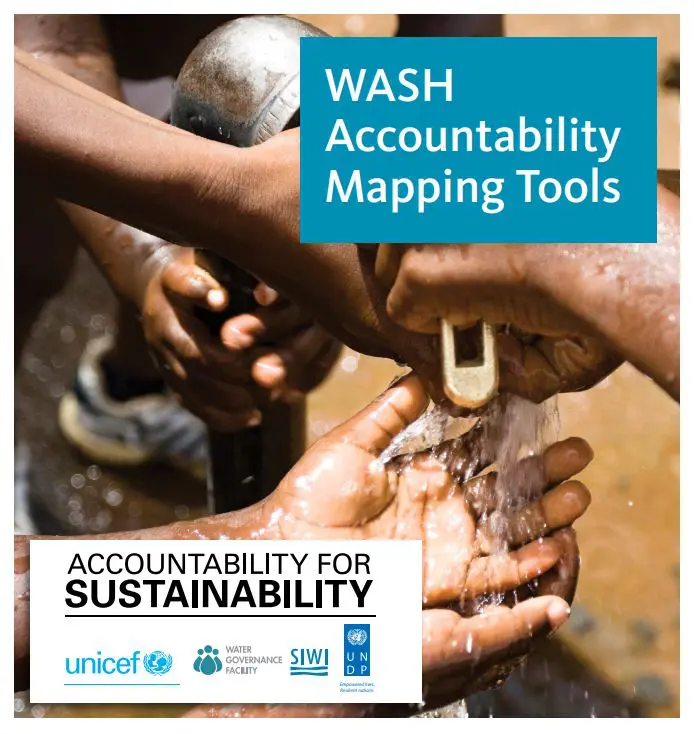
The Facilitator Guide provides the methods to help groups understand accountability relations in their WASH context and plan improvement actions.
Policy publications.Dec 7, 2016
This brochure presents an overview of the WASH Accountability Mapping Tools, a set of methods developed for assisting groups in understanding accountability relations in their WASH context and planning improvement actions.
Reports and papers.Dec 6, 2016
Workshop summary and background information on the “Understanding the Forest-Water Nexus: monitoring framework” expert workshop 27-30 September 2016.
Dec 1, 2016
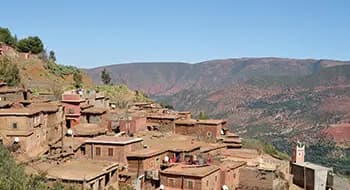
The Moroccan government has multiplied efforts in recent years to counteract mismanagement and corrupt practices, including in the water sector. Despite these efforts, resources lost to corruption are considerable and still pose major challenges to effective governance of water in the country.
Policy publications.Dec 1, 2016
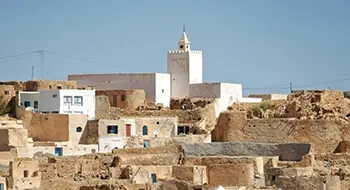
Tunisia has greatly increased its commitment in recent years to limit corruption and increase transparency, accountability and participation in governance by developing dedicated ministries and agencies for governance and anti-corruption. Still, a number of factors, including complex water management structures; lack of coordination and staff capacity in government and an arid climate create risks for [ ]
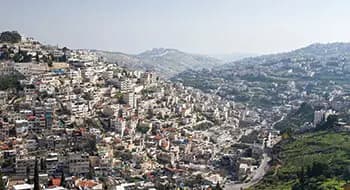
Access to safe and sufficient drinking water is a critical problem for many people in Palestine. Water shortage, high population growth, weak infrastructure and fragmentation of water institutions pose major challenges to the water sector. Improving integrity and effective governance is crucial to sustain human development in the country.
Page 16 of 27
Receive SIWI’s latest news, events, reports and jobs directly in your inbox.
You can unsubscribe at any time.
Read more about our newsletter