Stay informed
SIWI newsletter
Receive SIWI’s latest news, events, reports and jobs directly in your inbox.
You can unsubscribe at any time.

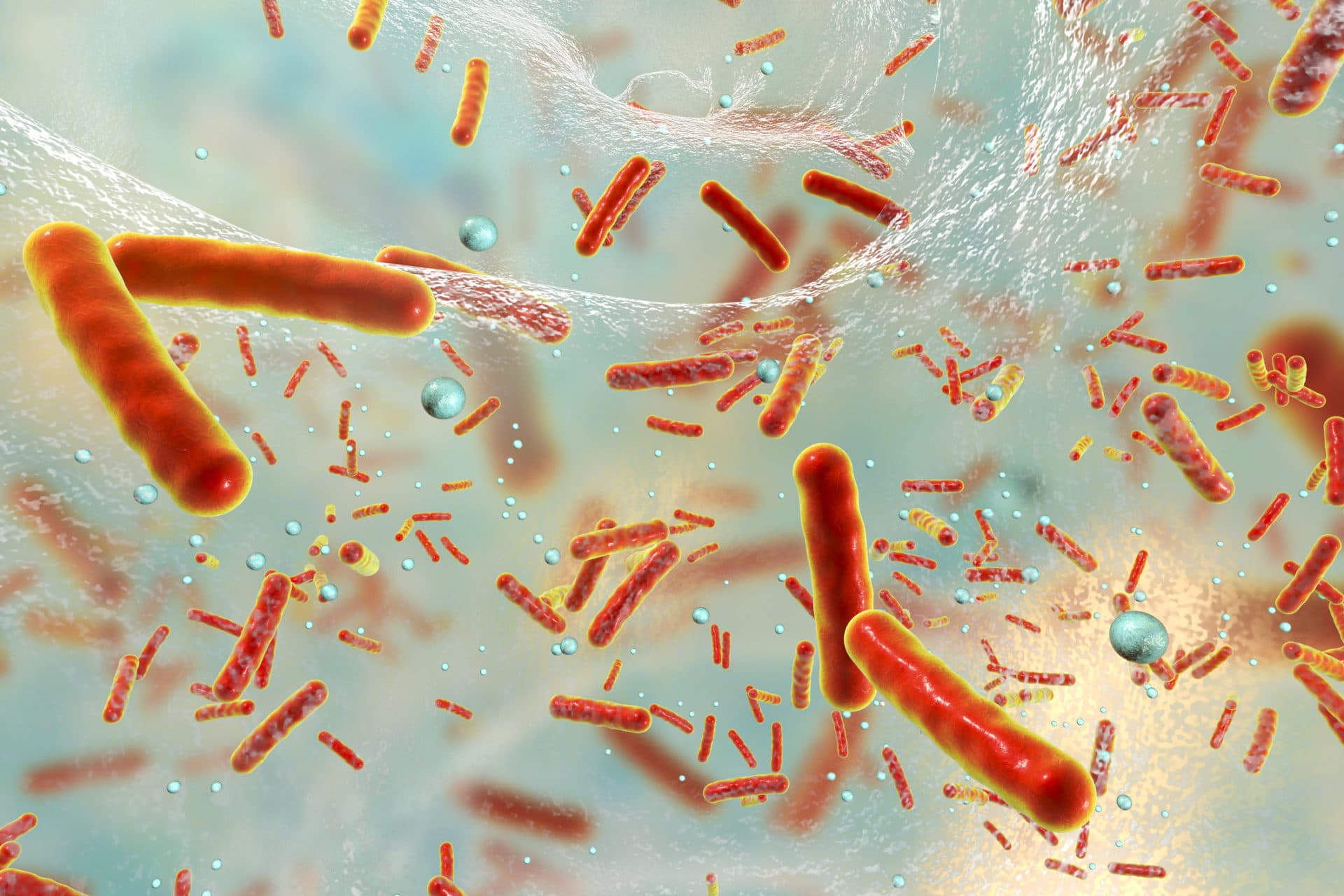
Antibiotics in the environment increase the risk of promoting antimicrobial resistance. In order to prevent the manufacturing process of antibiotics from contributing to antimicrobial resistance, the active pharmaceutical ingredients need to be retained in the production facility or deactivated before liquid or solid waste streams can enter the environment. Reducing Emissions from Antibiotics Production requires all stakeholders to transparently live up to the already existing commitments and mutually supported objectives to enable better regulation and incentives. Acknowledging this fundamental requirement as a shared objective in a broad stakeholder dialogue has been the main outcome of the project REAP. Lastly, the collaboration between public and private stakeholders and the inclusion of independent experts and scientists as well as civil society is essential to ensure that solutions are holistic, fit for purpose and mutually accepted.
This white paper is written together with Shawview Consulting and Spans Envirotech India.
Cite as: Stockholm International Water Institute (SIWI) (2020). Reducing Emissions from Antibiotic Production. https://siwi-rest-api.vercel.app/publications/reducing-emissions-from-antibiotic-production

Reports and papers·Dec 16, 2025

Reports and papers·Nov 10, 2025
Explainers and briefs·Sep 23, 2025

Policy publications·Jun 14, 2024