Stay informed
SIWI newsletter
Receive SIWI’s latest news, events, reports and jobs directly in your inbox.
You can unsubscribe at any time.

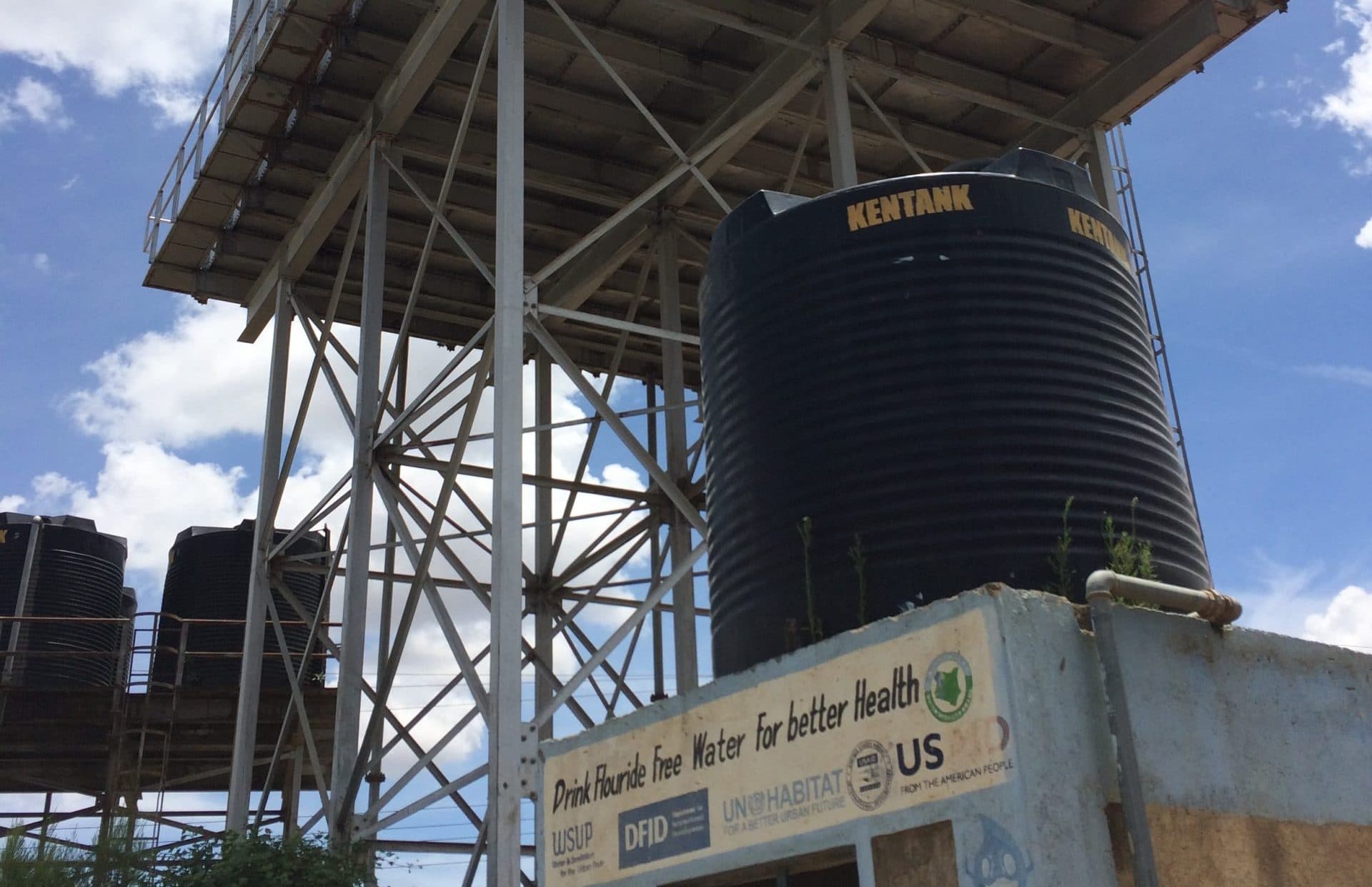


Although billions of people worldwide have gained access to basic drinking water and sanitation during the last two decades, data suggests that ‘leaving no one behind’ by 2030 would require doubling the current annual rate of progress sanitation and hygiene targets within the Sustainable Development Goals (SDGs).
Ricard Giné and Alejandro Jiménez, SIWI, David Nilsson, KTH, and Pär Blomkvist, MDH have co-authored this publication based on the conclusions from the research project “The role of Local Innovation for a Transformative Shift towards sustainable water and sanitation in African cities”. The project was aimed at understanding how the large systems for urban water and sanitation change in sub-Saharan Africa contexts, and in particular, how local innovation can contribute to system-level change.
Cite as: Alejandro Jiménez and Ricard Giné (2020). Paving the way for pro-poor and sustainable WASH: The role of local innovation. Stockholm International Water Institute (SIWI). https://siwi-rest-api.vercel.app/publications/paving-the-way-for-pro-poor-and-sustainable-wash-the-role
This policy brief has been a collaboration between SIWI and KTH, The Royal Institute of Technology in Stockholm.

Reports and papers·Jun 19, 2024

Reports and papers·Jan 2, 2024
Explainers and briefs·Dec 19, 2023

Reports and papers·Mar 3, 2023