Stay informed
SIWI newsletter
Receive SIWI’s latest news, events, reports and jobs directly in your inbox.
You can unsubscribe at any time.

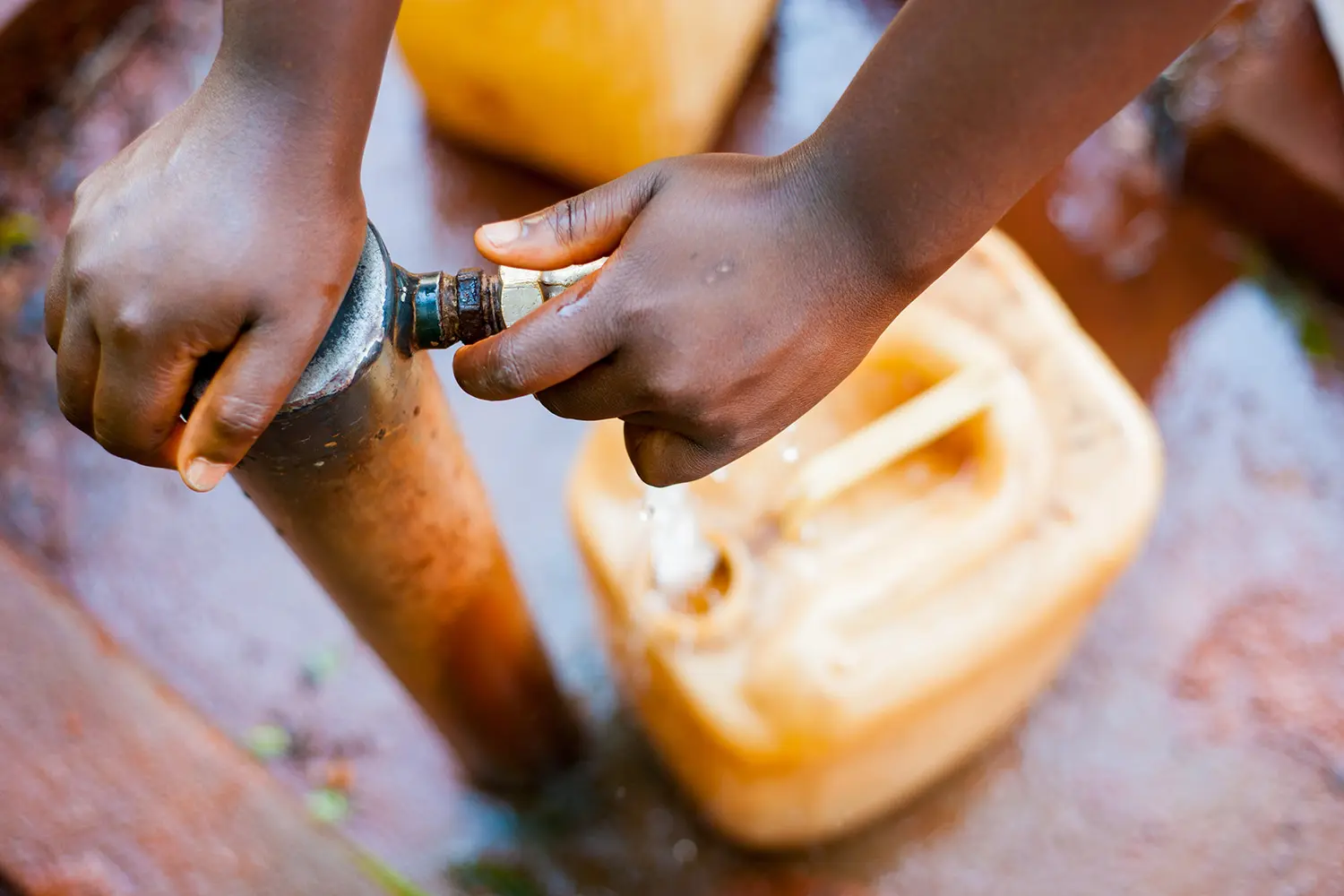
As of 2015, about 63 percent of the population in Togo had access to improved drinking water, while the rate reached only 44 percent in rural areas. Only 11 percent of the population has access to improved sanitation facilities. A key service-delivery bottleneck is the lack of effective governance, rooted in insufficient capacity, a shortage of new investments and limited visibility of the sector.
GoAL WaSH helped to improve the strategic planning process in Togo by updating sectoral policy and strategy documents, training actors, and developing a priority investment programme. It also supported the Ministry of Water in distributing strategy documents and creating a communications plan to mobilize financial resources to facilitate the implementation of new strategies for the water and sanitation sector.
The study of drinking water supply systems in semi-urban areas, funded by GoAL WaSH, provided a diagnosis on the status of these systems and proposed a strategy to improve them. The study facilitated investment by the government in this area for 2018–2019 at USD 3 million. The overall plan of rehabilitation is included in the Community Development Emergency Programme, led by the government. About 50 small-scale water supply schemes have been included, and these are being rehabilitated and strengthened, with an estimated budget of CFA Franc 1.75 billion, funded by the Government of Togo and partners.
The sector needs additional resources to preserve and consolidate the achievements of the programme in terms of visibility, management of works, and monitoring and evaluation, and to finalize the activities provided for in the programme, in particular implementation of the strategy for mobilizing financial resources for the sector and organization of a partners’ roundtable meeting.
The study and exchange of experience mission to Burkina Faso, as part of the preparation and implementation of a sectoral water and sanitation approach in Togo, enabled managers to make a plea to the World Bank, which has agreed to support the sector, particularly in urban areas. The World Bank is now ready to mobilize other technical partners to implement the action plan for priority actions for 2019–2023, developed jointly with the Ministry of Water.
The lessons and experiences shared with managers from the water and sanitation sector in Burkina Faso during the exchange mission were an important asset in developing the tools necessary for conducting inter-sectoral coordination. In particular, the experience helped identify tools for setting up a framework for dialogue at central and regional levels, drafting a national water and sanitation policy document, and devising a new national action plan for the water and sanitation sector.