Stay informed
SIWI newsletter
Receive SIWI’s latest news, events, reports and jobs directly in your inbox.
You can unsubscribe at any time.

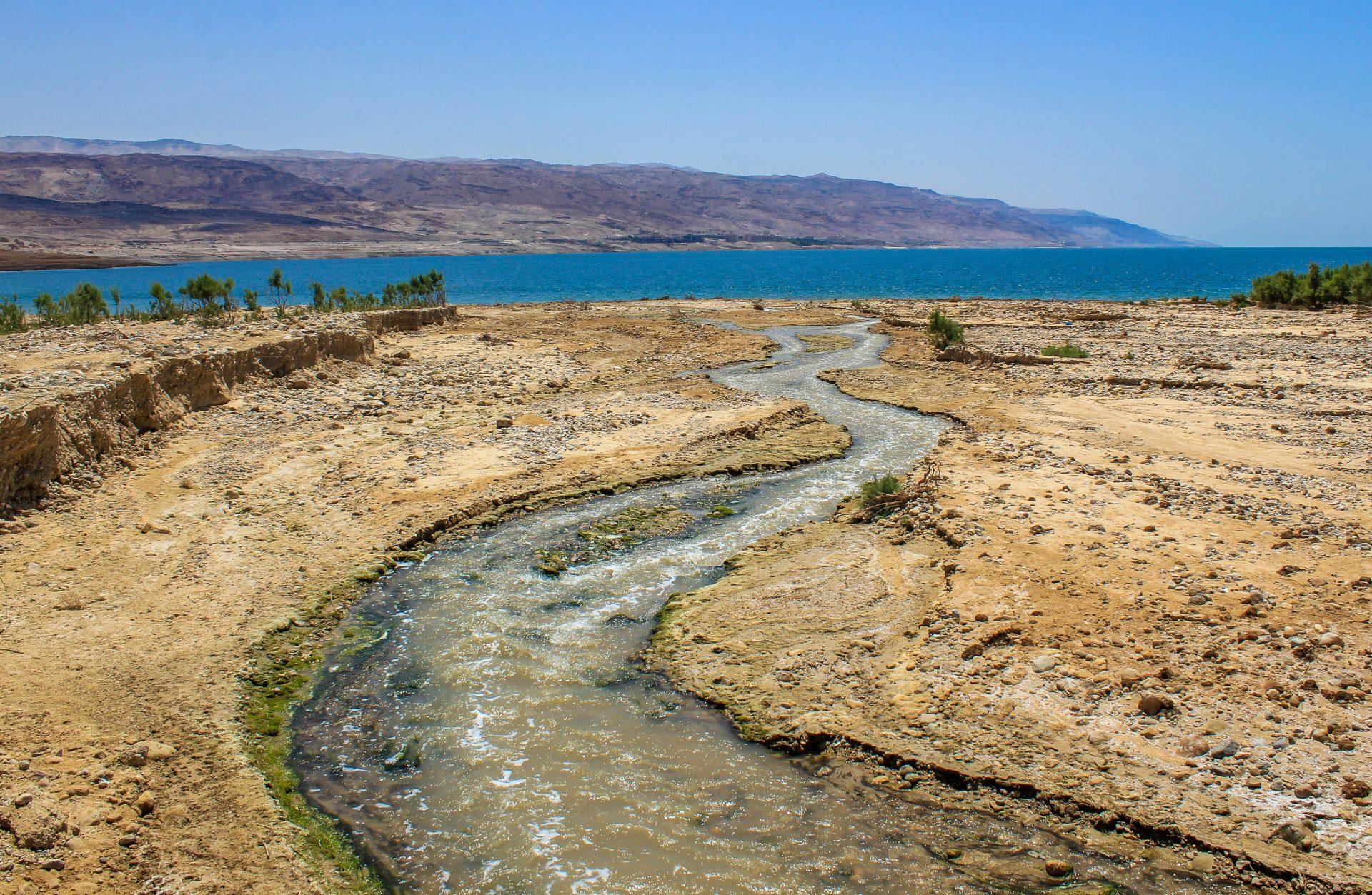
Jordan is the second most water scarce country in the world, thus undermining growth and development of the country. Water supply is based on a rationing system to cope with the deficit and ensure equitable distribution. If supply remains constant, per capita domestic consumption is projected to fall to 90 cubic meters per person/year by 2025, putting Jordan in the category of having an absolute water shortage and endanger public health.
Drought in Jordan has a detrimental impact on the water resources. The nature, location and scale of drought effects have yet to be thoroughly investigated. The national response to drought as a natural hazard occurs on an ad hoc basis. The existing governance structure of drought management lacks clear institutional and legal arrangements. In addition, the lack of technical capacities and an early warning system undermine a proactive drought management approach.
The project team organized consultations with all concerned drought stakeholders as a means to propose clear institutional structures for drought management. The team also supported the establishment of a technical drought management unit at the Ministry of Water and Irrigation and provided relevant equipment. GoAL WaSH supported the establishment of a national drought committee to include senior decision-makers from relevant drought management institutions, and prepared and implemented a national policy statement on drought management in the water sector. This was endorsed by the Cabinet in 2018.
The formal national drought strategy, developed with the support of Goal WaSH, led to the mobilization of USD 150,000 to develop pilot projects on drought management at municipal level. The Ministry of Water and Irrigation recognized the importance of drought management in the drinking water sector and took the decision to establish and set up a drought management unit within its structure. The unit’s annual running costs are met by the ministry’s domestic budget (approx. USD 30,000 per year).
The project collaborated with the International Center for Biosaline Agriculture (ICBA) in Dubai to train the national technical team on drought monitoring using software developed by ICBA experts.
Project staff also produced a set of awareness materials, including public service announcements on drought adaptation.
The project worked further with ICBA to carry out drought vulnerability assessments at national, governorate, and district levels (see Figure 5). These revealed that approximately 2.5 million people in the northwest governorates of Ajloun, Irbid, and Jerash are extremely vulnerable to drought due to high exposure and low adaptive capacity. The vulnerability assessment indicated that the occurrence of frequent droughts and other adverse effects of climate change will drive population displacement towards the capital city of Amman where water supply is more secure.
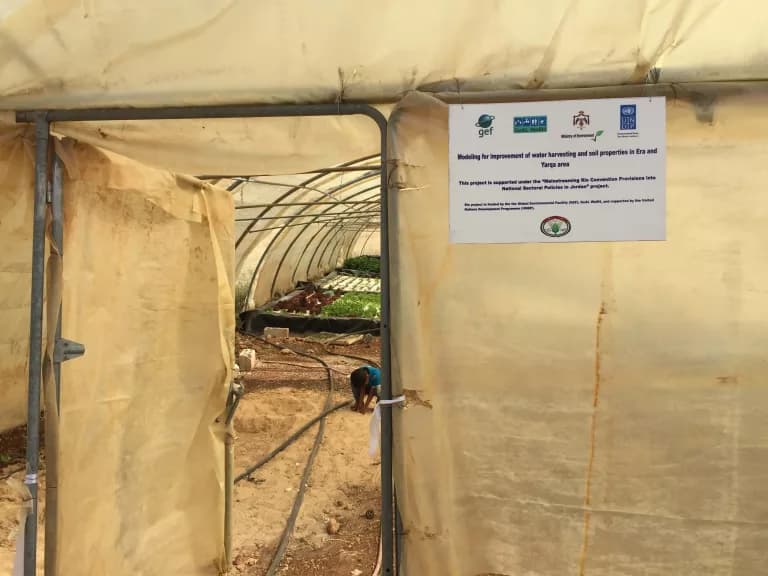
The project supported the Jordan Meteorological Department to build capacity in seasonal weather forecasting through registration with the European model and equipped the department with workstations and high-specification servers, as well as conducting hands-on training on drought monitoring. The project also supported three pilot initiatives at municipal level as a practical demonstration of drought mitigation measures and bridging the gap between drought management at national and local levels.