Stay informed
SIWI newsletter
Receive SIWI’s latest news, events, reports and jobs directly in your inbox.
You can unsubscribe at any time.


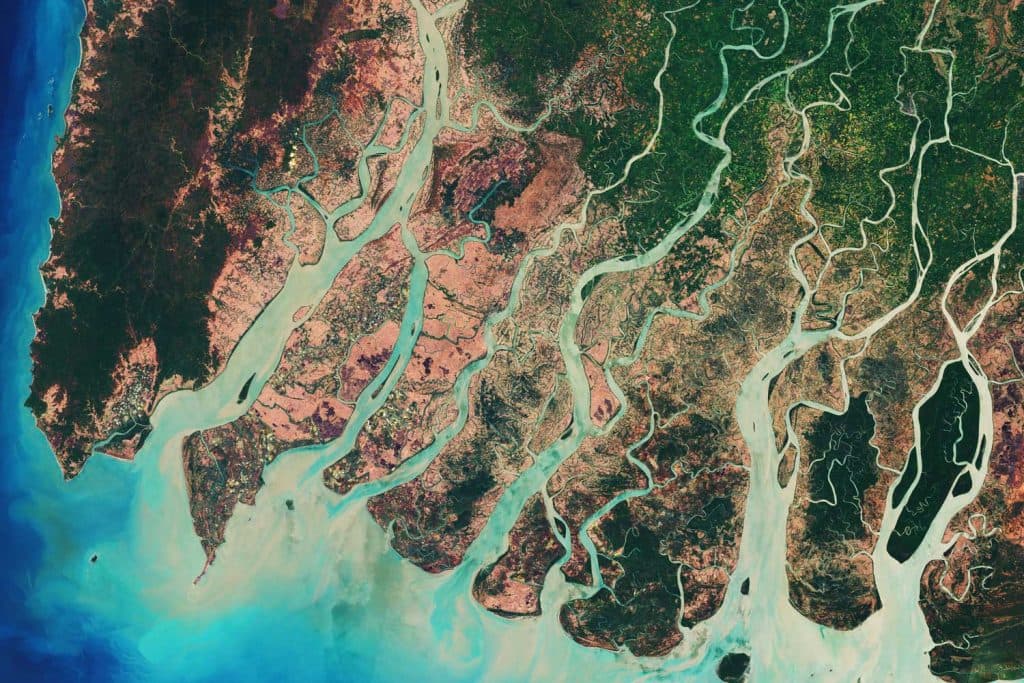
Good governance is essential for balancing the many often conflicting demands on freshwater and coastal resources. The demand for water within society has increased for decades. Land and water management has direct implications downstream, some of which extend to the open ocean. Projected population and development trends point towards even sharper competition in the future. At the same time, climate change affects the supply and demand of freshwater and the vulnerability of coastal areas. These factors jeopardize livelihoods and vital ecosystem functions in river basins, along coasts and in marine areas.
The quality of a governance process sets the basis for the quality of its outcomes.
Since its initiation in 2005, WGF has played a big role in advancing water governance. It has contributed to developing water governance in the framework of linking policy to practice. WGF has been leading in terms of conceptual innovation and has established a well-defined niche for concepts such as water integrity, accountability for sustainability and the source-to-sea approach. WGF work inspired SIWI’s proposed water governance concept, describing the potential qualities (governance attributes) when performing core water management functions. The concept evolves around social values and aspiration such as impartiality efficiency and effectiveness in public services, gender equity, inclusion of minorities.
WGF aspires to support governments and societies to invest in governance – ensuring the involvement of vulnerable groups, supporting transparency and accountability in operations, and doing it without corruption and other un-ethical practices, as well as taking due consideration to gender dimensions and human rights. These are all critical for the legitimacy as well as the sustainability of all societies.