
Water Integrity Capacity Building Programme in MENA

This programme started in 2014 under the auspices of the Union for the Mediterranean a regional approach to improve water integrity. It targets high-level decision-makers, mid-level water managers, operators and civil society actors in five pilot countries namely, Lebanon, Palestine Jordan, Tunisia and Morocco.
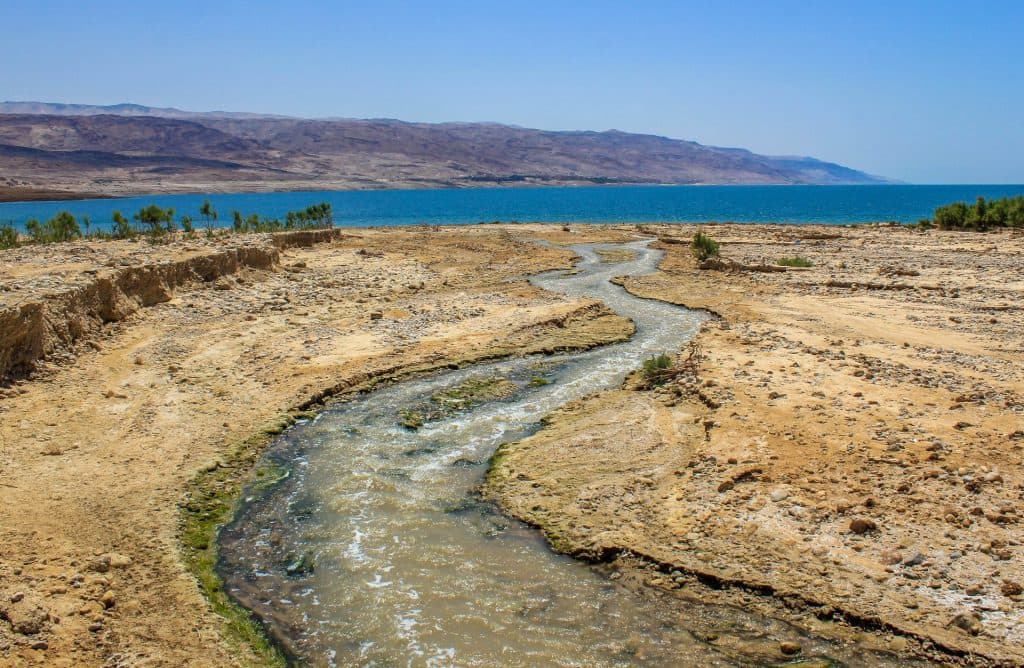
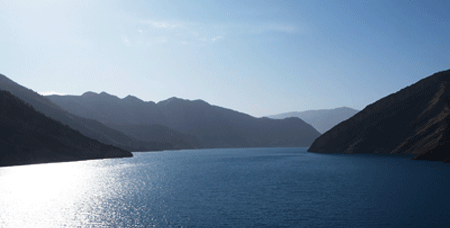
A vulnerability assessment in four major water basins of the country identified Azraq water basin at the highest risk of drying out its ground water table. Image: Jordan River flowing to the Dead Sea, Shutterstock

GOALS

Develop capacities of the different water stakeholder groups at different governance levels in the MENA region thereby improving transparency and accountability practices in water resources management.

Achievements

  • Increased dialogue and advocacy at the regional level on how to improve integrity, transparency, accountability, participation and anti-corruption in water governance.
  • Increased understanding of the gender dynamics of corruption in the water sector.
  • Raised awareness and fostered high-level political dialogue at national level on water good water governance, high-lighting the importance of integrity.
  • Capacitated water officials at the national level with tools to identify and address corruption risks.
  • Improved capacity among mid-level water managers to integrate water integrity within their organizations. Approximately 450 participants were trained on water integrity across the 5 countries. 103 Water Integrity Action Plans were developed and enforced with support of programme mentors.
  • Improved capacity of local leaders and civil society actors to demand transparency, participation and accountability in the management of water resources and services.

Water scarcity in the MENA region is not only a result of physical water shortage, but is also linked to lack of good governance structures, high water demand, and low levels of trust between different parties sharing the same water resource. Poor resource management, insufficient capacity, lack of institutional integrity, bureaucratic inertia and a shortage of new investments further undermines effective governance of water and lead to conflicts at the local, national and regional level. Although most of the countries in the region have already developed comprehensive and precise water laws and policies, many face significant challenges when implementing them.

Most of the region’s countries have already constructed significant water resource infrastructure, but the effectiveness of water governance and management has often lagged behind, particularly in relation to transparency, accountability, and participation.

YOUR INFORMATION