

Stay informed
SIWI newsletter
Receive SIWI’s latest news, events, reports and jobs directly in your inbox.
You can unsubscribe at any time.


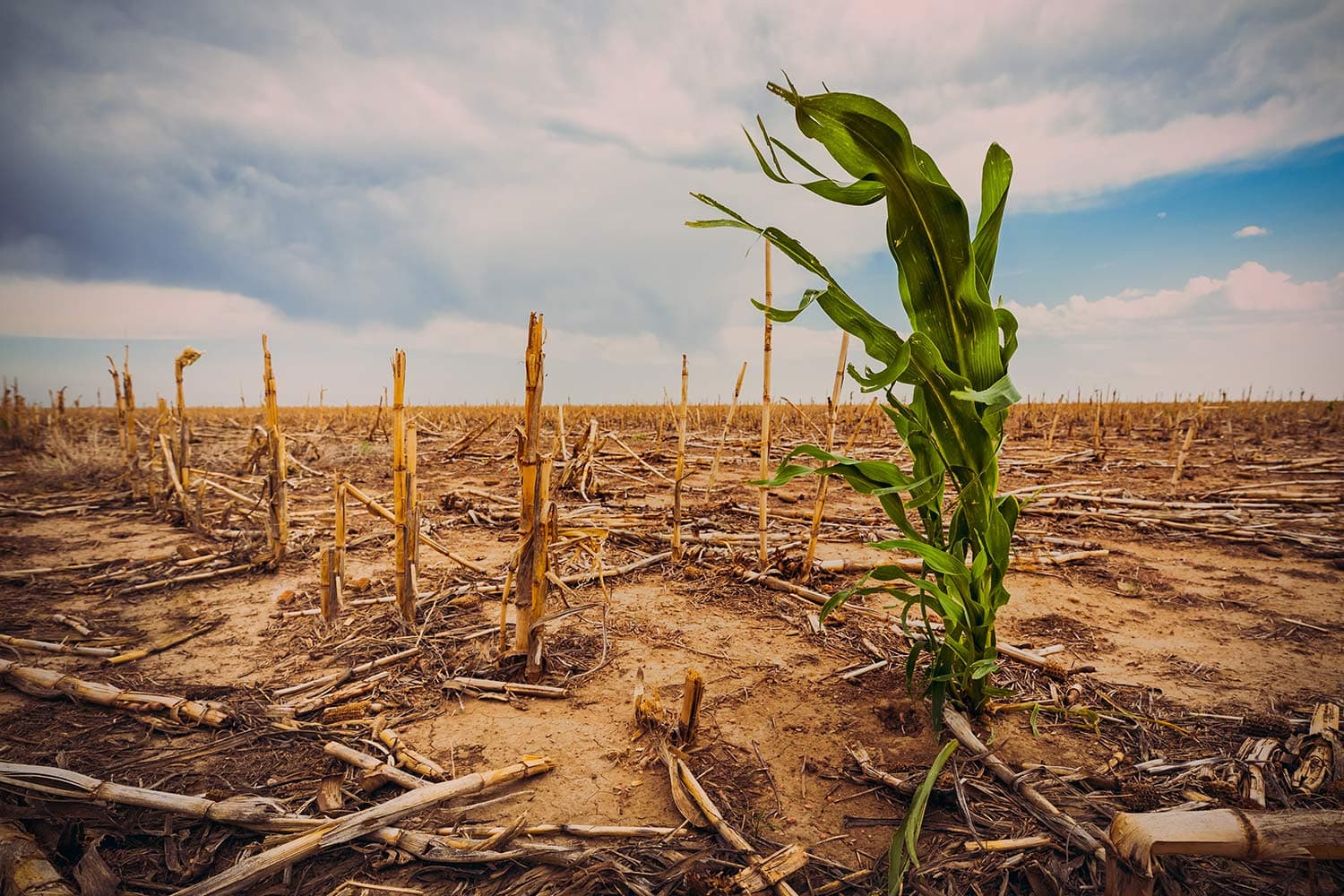
As countries race to develop and implement programmes and activities that reduce their emissions as well as reduce vulnerability of people, communities and ecosystems to the impacts of climate change, there remain concerns that present and proposed activities to ameliorate to climate change are either exacerbating or will exacerbate water resource issues found in many regions. One cannot respond to climate change without thinking about the interactions with water.
Sectors that have a large impact on mitigating climate change – including energy, agriculture, human settlements, and transportation – have a range of direct and indirect impacts as well as reliance on local and distant water resources.
Given such linkages, it is not surprising that good water governance is not only important for addressing water problems, but also an imperative for responding to climate change impacts. So many activities are reliant on access to water resources or can have an impact on the quality and quantity of available water resources or on the source areas, irrespective of the impact of climate change on water resources themselves.
WGF supports efforts to locally and nationally implement global climate change commitments through its focus on ensuring that those activities are deemed important for combatting climate change but have strong interactions with water consider and address how that activity interacts with water resources. Given that water is the primary medium through which the effects of climate change will be felt (UN-Water), it also holds that water will be the primary medium through which we will address the effects of climate change. A focus on improving water governance will have significant effects on addressing climate change.
In recent years, SIWI has developed a new framework on water governance, which was built around Functions, Attributes, and Outcomes. “Water governance is thus described as a combination of functions, performed with certain attributes, to achieve one or more desired outcomes, all shaped by the values and aspirations of individuals and organizations (Jimenez et al 2019)”.
The most obvious of these functions are those related to managing water resources, such Policy and Strategy, Coordination, Planning and Preparedness, and Financing. This is because climate change challenges previous assumptions about the quality, quantity and access to water resources, as well as assumptions about supply and demand. For example, strategy and planning, including both mitigation and adaptation planning, will often be reliant of water sources, and have an impact on water governance – including both the supply of services and the retention of important ecosystems.
Given the disproportionate impact of climate change on poor or marginalized groups globally, as well as those that cannot easily speak for themselves, such as ecosystems, the way that functions are implemented though highlighting important facilitating attributes such as inclusion, participation, accountability, and transparency are very important. People who are deeply impacted need to be involved in decision-making around water.
In terms of direct impact through its operations, WGF seeks to ensure that water is better taken into account in climate change, and vice versa, through three key streams: