

Stay informed
SIWI newsletter
Receive SIWI’s latest news, events, reports and jobs directly in your inbox.
You can unsubscribe at any time.

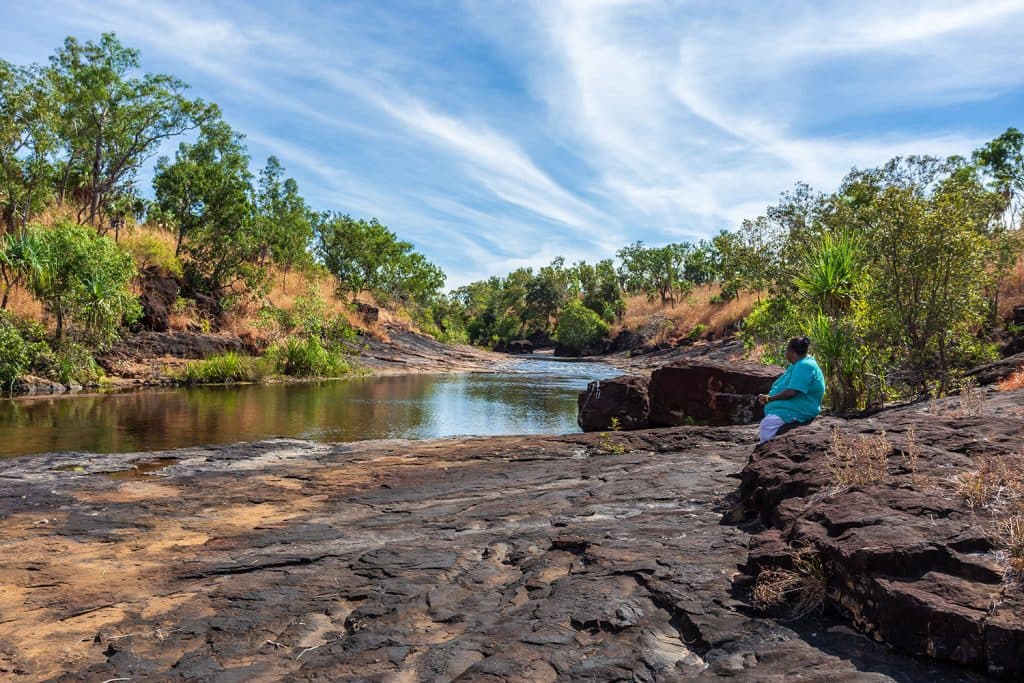

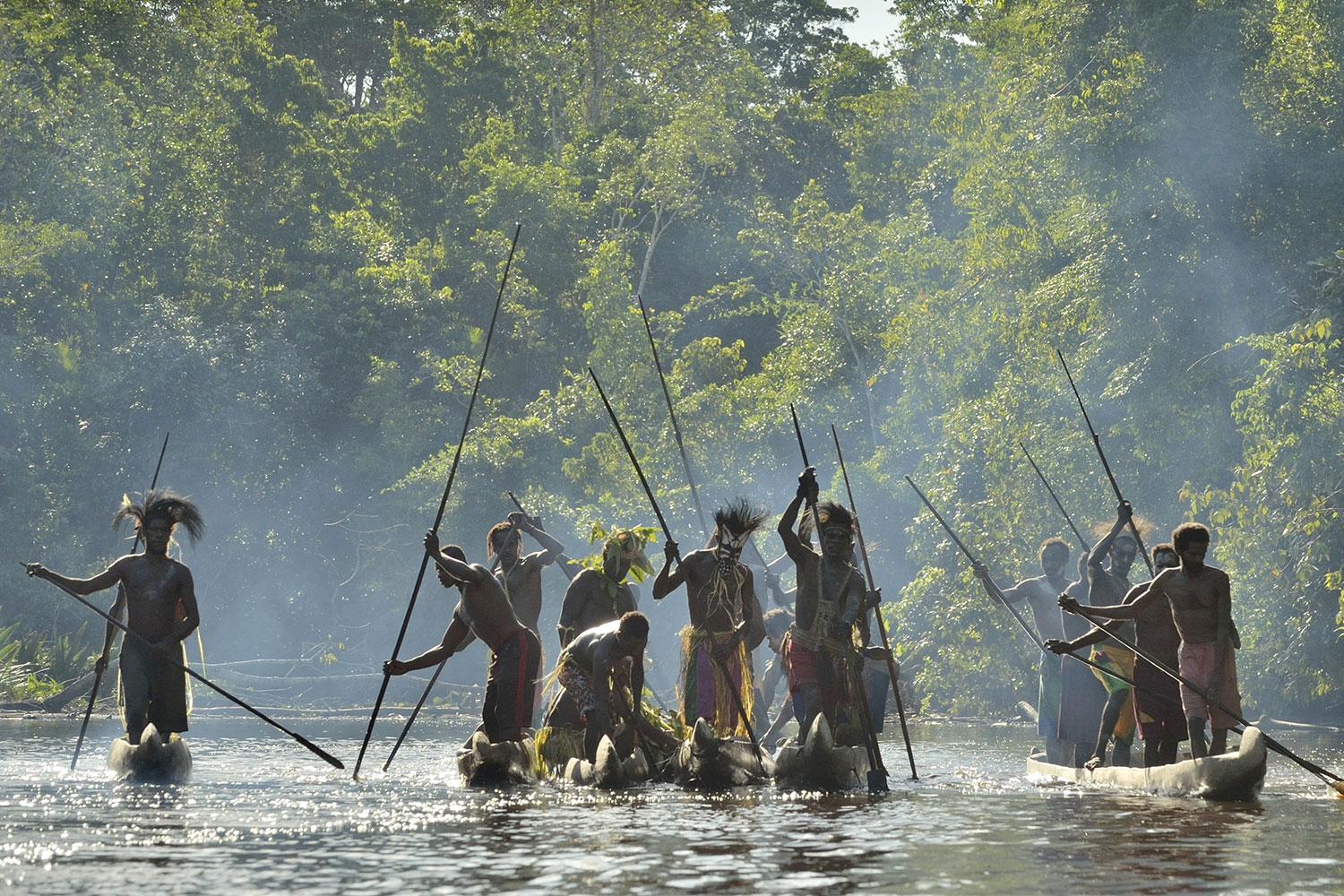
It is estimated that more than 5,000 distinct indigenous peoples remain today, comprising approximately 475 million individuals, living in more than 90 countries. Most of the indigenous peoples live in developing countries, especially in Asia, but there are also several peoples living in countries like the US, Australia, Canada, Sweden, and New Zealand. It is estimated that the territorial lands of indigenous peoples cover approximately 38 million square kilometres.
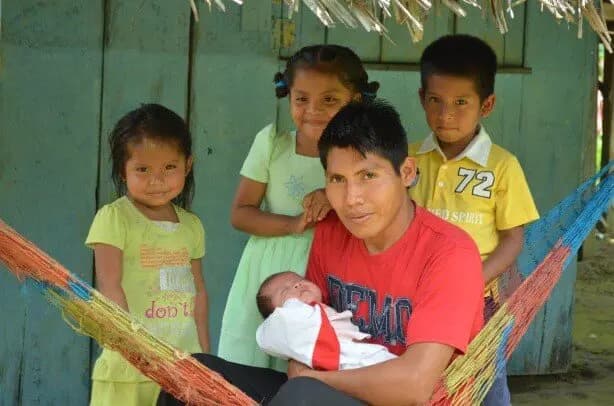
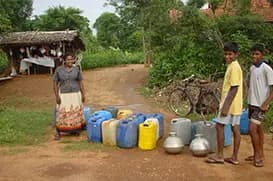
Indigenous peoples are often marginalized which plays out in outcomes such as poor access to water and sanitation services and in poor health outcomes. However, indigenous peoples’ stewardship of natural resources is being increasingly acknowledged.
Indigenous peoples’ relationship to water is strongly bound to their worldview and knowledge, with water often seen as a sentient being related through kinship ties. Human needs must be in balance with needs of the land including plants, animals, and spirits, with every part having its role to play.
By recognizing and including indigenous peoples’ knowledge, practices and institutions, it is possible to develop sustainable and culturally appropriate water services and conservation and management systems, with a view to promoting pluralistic approaches incorporating different worldviews.
Many indigenous communities have little say on the management of water resource upon which they rely or have an inherent obligation to protect. The root cause is often a lack of understanding and recognition of indigenous peoples’ worldviews, governance approaches, rights and obligations, or opportunities to integrate different knowledge systems. As a result, the supply of water and sanitation services are less effective and sustainable in rural indigenous peoples’ communities, especially if such services are offered without understanding local context.
Some of the main challenges facing indigenous peoples in respect to water include: