

Stay informed
SIWI newsletter
Receive SIWI’s latest news, events, reports and jobs directly in your inbox.
You can unsubscribe at any time.

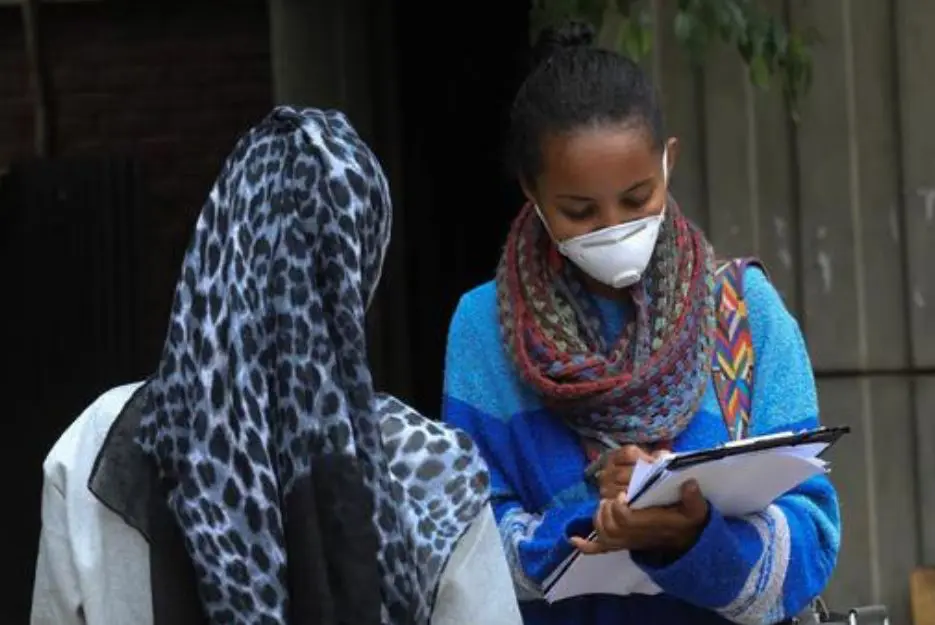
Gender equality refers to the equal rights, responsibilities and opportunities of men and women, boys and girls, including equal access to, control over and use of services and resources. WGF recognizes that while gender equality is truly about equality among women, men and sexual and gender minorities, more evidence is available to support the inequalities faced by women. The focus on the inequalities faced by women is therefore treated as an entry point to the broader set of issues.
WGF works towards increased gender equality, applying both targeted and mainstreamed strategies. As always, we aim to integrate applied research with our policy and technical support.
Gender relations are constructed by a range of institutions – domestic, political, and legal systems, religious authorities and the market. What they have in common is that they tend to disadvantage women. When gender expectations intersect with for example poverty, ethnicity, origin, age, disability and sexual orientation, the result is complex and multi-layered, creating barriers to dignified, equal and safe lives for all women and girls. These barriers determine who has access to and control over services, goods and resources – and who benefits from their use.
In the water sector, we often see decision-making and implementation being dominated by men. This results in management decisions that are likely to be unsustainable since they will be missing key input from at least half the population. Experience tells us that water projects gain efficiency and sustainability when both women and men are involved in decision-making, supervision, and provision of water. Women and gender minorities have differentiated knowledge that is vital to sustainable resource management, as well as differing perspectives on responsibilities, priorities, and needs around water use and management.
WGF offers technical expertise to develop activities and programmes to address inequality in governance and ensure that women, men, gender minorities, girls and boys equally benefit from development programming.