Stay informed
SIWI newsletter
Receive SIWI’s latest news, events, reports and jobs directly in your inbox.
You can unsubscribe at any time.

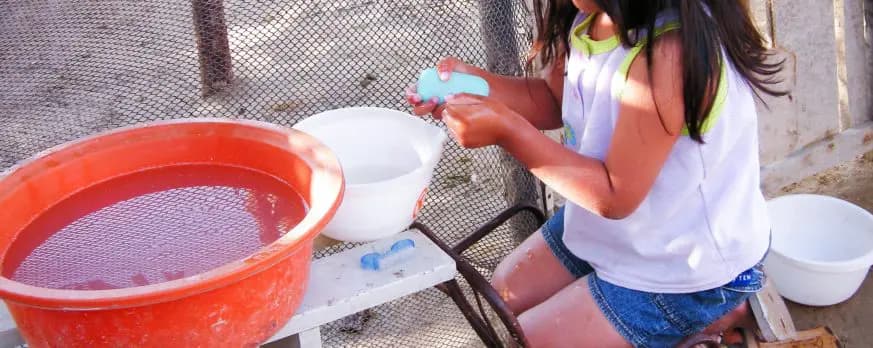
Washing hands with soap and clean water is the single most efficient measure against Covid-19, but for many people it remains an unattainable luxury. Currently 40 per cent of the global population does not have access to clean water and soap in their homes, making it difficult to follow the World Health Organization’s advice to wash hands regularly. The lockdown that many countries are enforcing exacerbates the issue as those who typically accessed clean water and soap at school or at their place of work have been suddenly cut off from access to those facilities.
The pandemic is making it clear that investments in the provision of basic water, sanitation and hygiene services must be a key priority in the coming years, not least since we can expect growing health threats linked to global warming. But there are also things that can be done immediately and that would have a decisive impact.
By following these steps, governments and health authorities can limit the effects of the current pandemic.
So, to what extent is this advice being followed? In collaboration with the UNICEF Regional Office for Latin America and the Caribbean, SIWI has mapped how the countries of the region are responding to the Covid-19 pandemics.
Here are some key results from the analysis:
SIWI and UNICEF continue to work with governments and water utilities to support good practices. The mapping of responses will also continue, around the world – stay tuned for more updates!