Stay informed
SIWI newsletter
Receive SIWI’s latest news, events, reports and jobs directly in your inbox.
You can unsubscribe at any time.

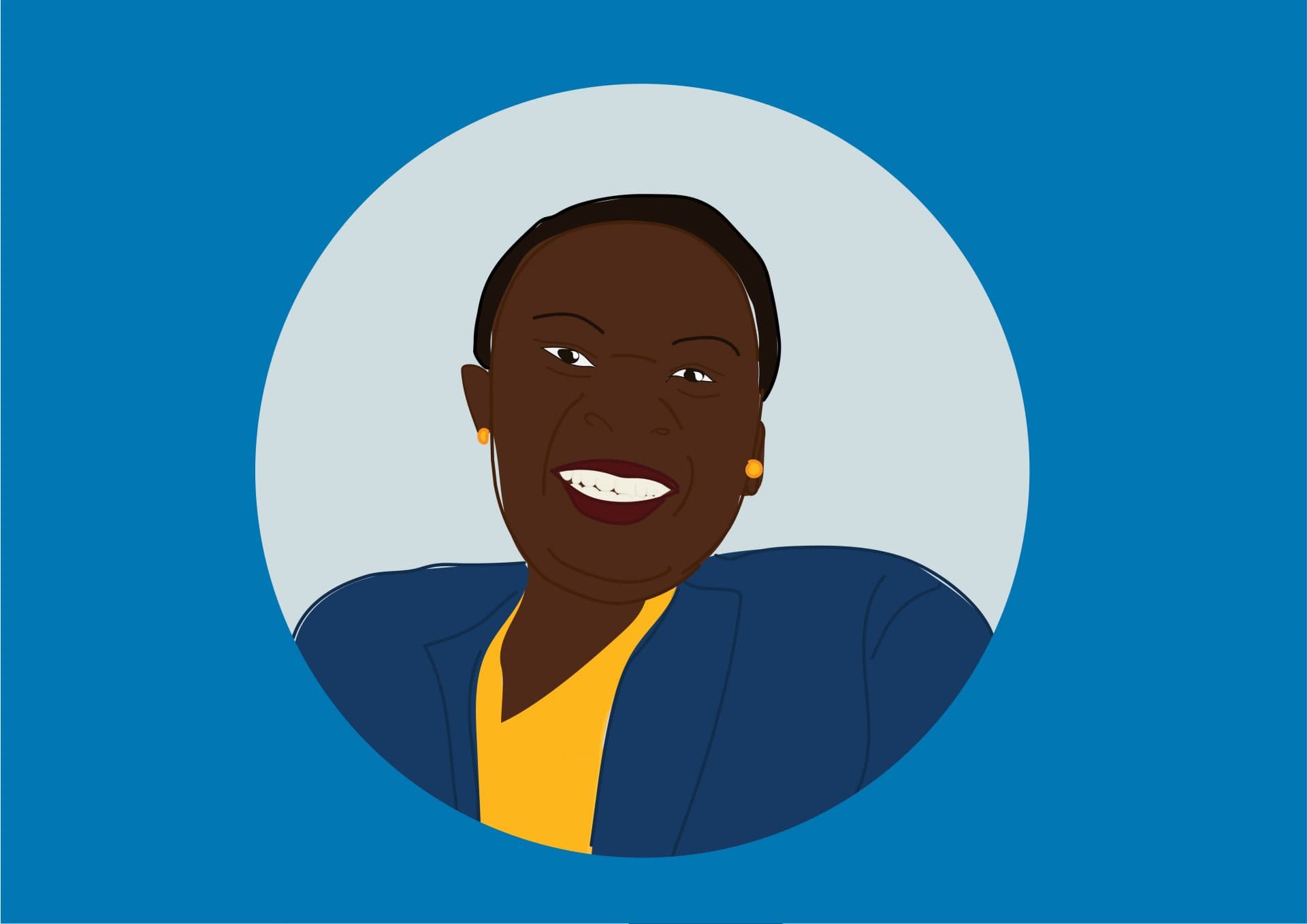
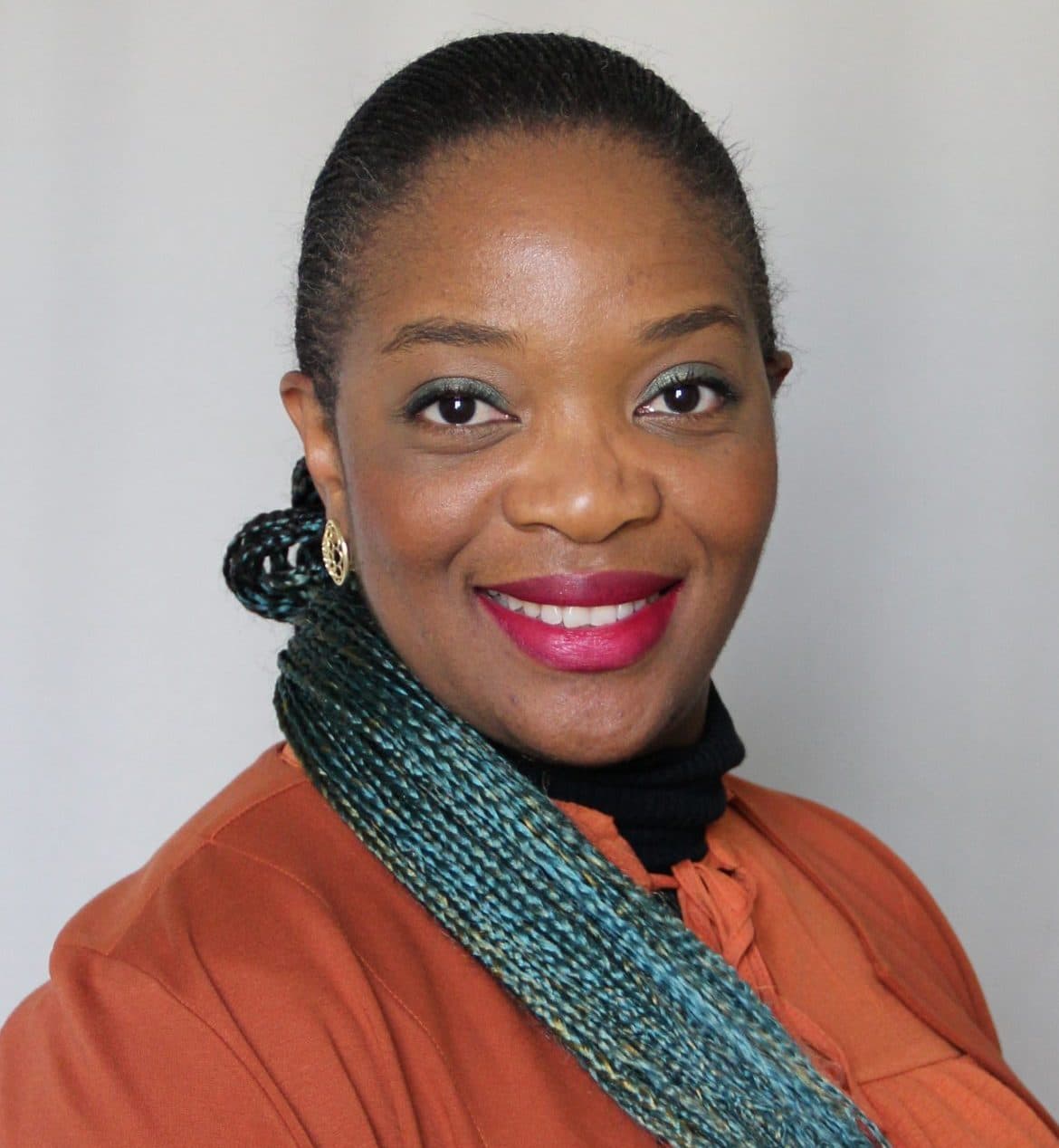
Theresa Wasike, Director of Administration of Nairobi’s Ministry of Water, Sanitation and Irrigation is a member of the Women in Water Diplomacy Network in the Nile of SIWI, since 2018, and the Leadership Council since 2021. Theresa has also served as a gender focal point at the Ministry from 2007-2013. We interviewed her over Zoom for International Women’s Day.
It all depends on the level. You find women at the highest level of decision making where we have ministers and ambassadors. At the technical level, we have women who have risen through the ranks to lead as heads of departments, which enables them to negotiate on behalf of the country or on behalf of the region. We have women at the highest level, for example in Kenya. The cabinet secretary for the Ministry for Water is a woman. The head of Transboundary Waters is also a woman. And then we have other women in supporting roles to these women. Nevertheless, we need more women at the technical level in all the water related disciplines to mentor in schools.
Water is a woman’s affair. Specially at the domestic level. It is a woman who looks for water whether it is piped water or collected from a river or stream. A woman normally has a wider perspective and considers several factors before making a decision. She’ll think of the distance that women travel for their domestic use. She also considers that apart from water at the household level, what else can we use this water for? She weighs if water is more available for domestic, commercial and trade or even community purposes.
If there’s enough water, she is assured that the women who are supposed to benefit from it, actually benefit from it. A woman in power will ensure that women can engage in additional activities whether political, entrepreneurial or school related.
I have faced challenges as a woman. First of all, finding the work life-balance. There are children, family and even community level obligations that one needs to fulfil. Then there is stereotyping. As a woman, the higher up you go, the more you are stereotyped. When you make a decision and people are not pleased, they suggest that women cannot make such a decision. People do not take you seriously and you must insist before people believe that you actually stand by your decision.
Being from the South is a challenge on its own. One of the challenges is exposure, in terms of attending high-level meetings for the first time. And sometimes you’re out of your depth. In the process, you meet people who are better exposed to those situations. You question your ability to accomplish the task assigned. The other issue is still connected to exposure – not having relevant education and adequate training in your area of specialization hinders someone from realizing her full potential.
So yes, I think exposure and education have been a challenge for me.
If we had enough water or were managing it better, I think we would not be facing some of the problems that we are facing now. In Kenya for instance, agriculture is the backbone of our economy. Climate change is really impacting us negatively. We have people who are losing their animals because of droughts, falling deeper into poverty. All of this is connected to water. This is happening in parts of Kenya which are not next to Lake Victoria. But even for communities around Lake Victoria, the quality of water is going down due to environmental degradation. The quality of water is compromised and livelihoods are affected.
So, water is very important, because when you lack water, that’s when you get conflict and you can’t do your everyday work, like go to farming. It affects you negatively.
We are committed to look at the problems that this region is experiencing with neutrality. We don’t take sides. We have committed ourselves to try and bring out issues of the Nile and emphasise the importance of having challenges resolved. So, we don’t look at which country [the other person] comes from. If these problems are resolved then we are assured of a better life.
My dream is that with time we will meet at the negotiation table, people from different countries, but with the same dream. That we raise issues that hinder our development, in a coherent and peaceful manner, and resolve those issues. Without any friction or without seeing each other as being from different countries. We should be able to look at each other and understand what is being said. And then we come to a decision that is beneficial to all.
I would like to encourage them, because what I’ve seen with the young women. In Kenya, for example is that they come into the water sector and soon after they leave. I want to encourage them to stay. We need to keep them in the sector so that they can encourage more girls who are still in school to pursue professional water courses by mentoring and coaching them.
Engineers are often placed where the water infrastructure is, in remote areas or in areas. That is usually not a place where a young mother feel that her children will get a very good education. So, instead of staying in such places, they would rather move to places where they are assured quality education and health services for their children. As engineers and geologists, not having more women in the field can make them feel a bit lonely. No one seems to understand them, so they look for other options.
So, I want to encourage them and tell them to keep going so that more women can join the water sector. If more women join it can change how the future looks, because then again, decisions will be made centred around women. Some of these problems are not even accounted for at this point.