Stay informed
SIWI newsletter
Receive SIWI’s latest news, events, reports and jobs directly in your inbox.
You can unsubscribe at any time.

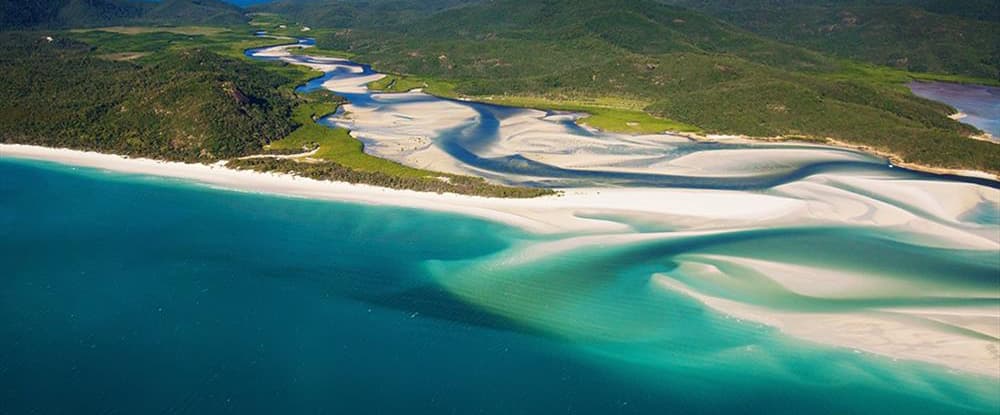
Our oceans are facing unprecedented challenges that require new approaches and strengthened partnerships. We call for closer cooperation between the ocean and freshwater communities so that important decisions about land use, water resources, coastal development, and marine resources are not made in silos
Source-to-sea management links governance, operations, practices and finance across marine, coastal, freshwater and terrestrial systems and stimulates cooperation between upstream and downstream actors, as well as coordination across sectors to ensure outcomes that mutually benefit systems as a whole – from source to sea.
Achievement of SDG 14 on oceans is dependent upon the successful implementation of SDG 6 on water, alongside other upstream goals including SDG 12 on sustainable consumption and production, SDG 13 on climate, SDG 15 on terrestrial ecosystems and SDG 17 on partnerships. This demands stronger coordination and engagement between upstream and downstream actors in the design and implementation of actions to ensure a sustainable development and management in connected land, water and ocean systems. The 2019 IPCC Special Report on Oceans and the Cryosphere in a Changing Climate acknowledges that governance arrangements in many contexts are too fragmented across administrative boundaries and sectors to provide integrated responses to the cascading risks from climate-related changes.
Protecting ocean health and promoting a sustainable blue economy begins with sustainable development in river basins. The vast majority of marine pollution is generated on land, and investment should prioritize places where funding, capacity and infrastructure are insufficient. Commitments to fund ocean restoration and a sustainable blue economy would benefit from stronger connection to river basins and land-based sectors in policies, strategies and budgets of multi-lateral organizations, donors, national governments and both development and commercial finance institutions.
Creating resilient societies in the face of global challenges, notably climate change, sinking deltas, wetland loss, diminished biodiversity and pollution from both point and non-point sources, requires inclusive decision making that addresses upstream-downstream linkages from source to sea.
This statement was produced as an outcome of the Source-to-Sea Day organized by partners of the Action Platform for Source to Sea Management at World Water Week. For more information about the Action Platform for Source-to-Sea Management and the Source-to-Sea Day contact us at S2SPlatform@siwi.org.