Stay informed
SIWI newsletter
Receive SIWI’s latest news, events, reports and jobs directly in your inbox.
You can unsubscribe at any time.

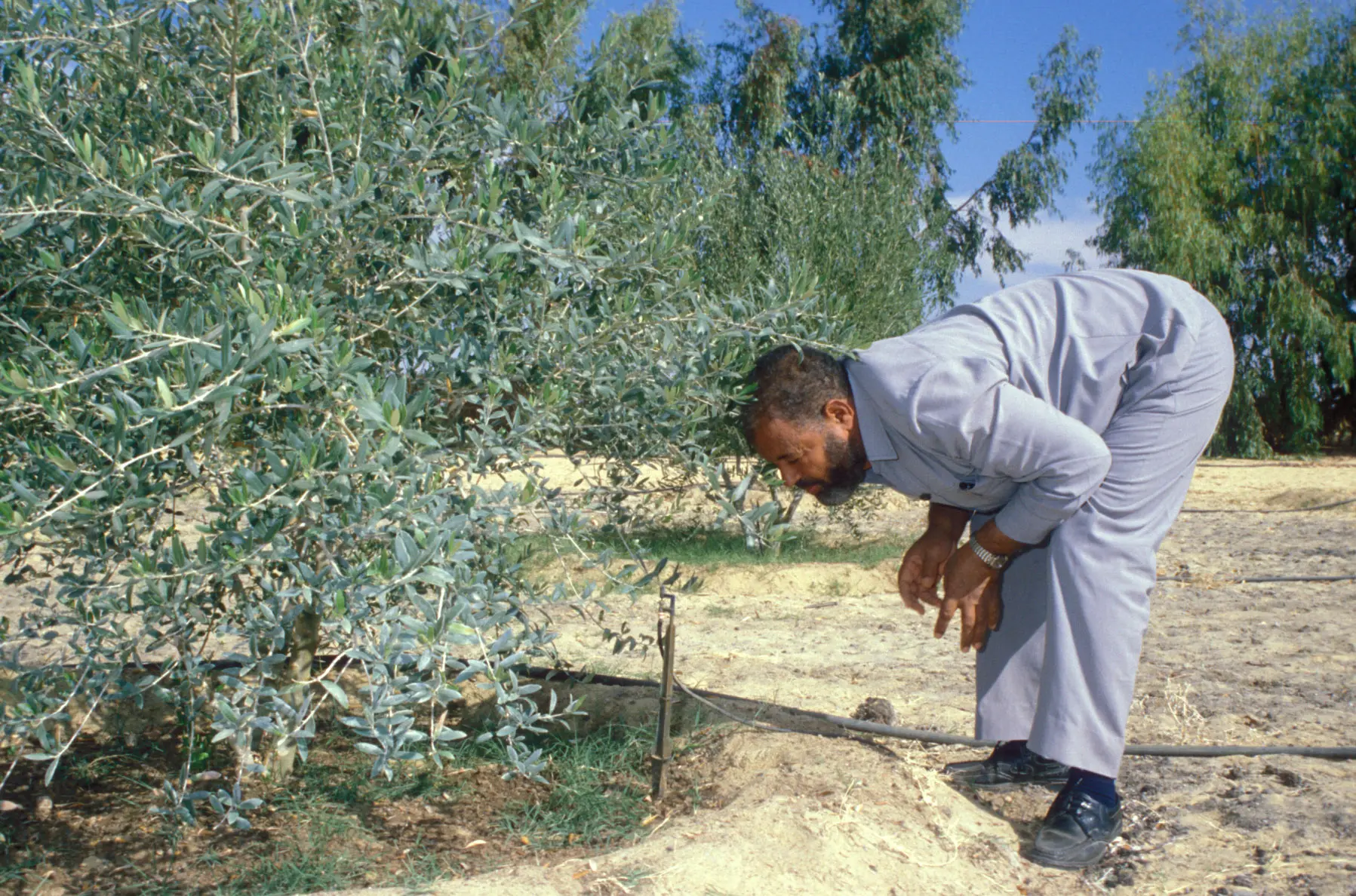
The event opened with keynote speeches by Eduardo Mansur, Director, Land and Water Division, FAO and Akissa Bahri, National Agricultural Institute of Tunisia, who provided overviews of the importance of irrigating forests with wastewater to address global issues of water scarcity and environmental degradation. They discussed the benefits this practice could provide for dryland regions in efforts to combat desertification. Water optimization, potential for nutrient recycling and forests filtering wastewater were stressed as effective climate change adaptation strategies. “Wastewater has huge untapped potential for resource recovery and reuse!”, emphasized Ms. Bahri, adding, “Globally, about 300 km3 of municipal wastewater are generated each year. Theoretically, this wastewater could be used to irrigate more than 40 Mha of land, provide free fertilizer application, and provide electricity to about 130 million households”. Wastewater use in planted forests and agroforestry raised concern about public and environmental health and food safety issues, which were validated by the speakers who agreed dealing with the risks and applying wastewater safely would be essential, but that this did not hinder its application and that forests and agroforestry systems are often safer than traditional crops.
Short presentations of case studies followed the keynote speeches: Elaine Springgay, FAO, “Greening the forest” in North Africa; Jay Bagwan, WRC presents “Experimenting with faecal sludge in South Africa” and Anders Finnson presenting the Swedish REVAQ wastewater certification scheme, provided further understanding of the potential. Participants were invited to move around the room and learn more about the cases directly from the presenters; each providing unique perspectives and applications. Case studies equally highlighted the benefits, safety concerns and the need for broad stakeholder engagement. The conversations were highly engaging due to the controversial aspects of wastewater, and because many of the World Water Week participants were unfamiliar with forest and water linkages, and the application of treated wastewater for forests.
For more information please see the available resources on the event page.