Stay informed
SIWI newsletter
Receive SIWI’s latest news, events, reports and jobs directly in your inbox.
You can unsubscribe at any time.

A group of Swedish actors who work with international development and environmental issues gathered in Stockholm to share opinions and exchange experience about their work on the 2030 Agenda. The workshop co-organized by Focali, SIANI, SEI, GMV, SIWI, SLU and the Swedish Forest Agency, particularly focusing on creating an open dialogue between actors who work with forest, water, agriculture, natural resources, climate, and development. Exchange about how the landscape perspective could contribute to an implementation of the new agenda for sustainable development was central to the discussions at the event. The day offered keynotes, interactive discussions, and case studies illustrating the topic from different angles.
The road towards implementation
The 2030 Agenda and the landscape approach paint a picture of complexity and raise a lot of challenges, but there are also a lot of benefits in pursuing an integrated way of thinking. In the panel discussions during the workshop, the opportunities for landscapes approaches to overcome silos and work trans-sectoral were highlighted, as well as integrating the SDGs into national implementation plans. The need for smart indicators that can effectively measure the progress was raised by several panellists. And this is quite tricky if we are to work on the synergies between the Goals.
Discussing early positive trends, all the speakers agreed there is a growing interest and involvement of the private sector. Businesses are often able to adapt to an emerging context well ahead of governments. Mayors and leaders on local levels also play an important role in implementing the new development agenda. Reconnecting rural and urban areas as well as establishing structures that pay proper attention to and support the youth remains challenging.
There are other challenges too. A lot is still to be done in terms of data availability, transparency and general awareness about environmental issues. The bottom line, at least according to the discussions at the workshop, is that strengthening institutional capacity at all levels, from municipal to international, will be one of the cornerstones of putting the new development agenda into practice.
Learn more from case studies!
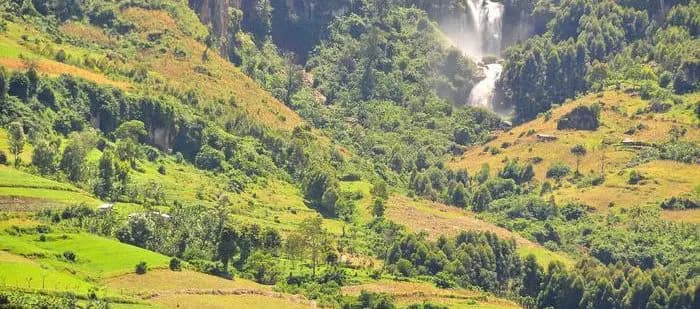
The audience also got to enjoy presentations of three case studies that illustrated possible applications of the landscape initiatives:
The day included interactive discussions on collaboration initiatives shared by organizers and participants, they can be found here. You are most welcome to contribute to these initiatives where the dialogue and collaboration around the workshop theme can continue!