Stay informed
SIWI newsletter
Receive SIWI’s latest news, events, reports and jobs directly in your inbox.
You can unsubscribe at any time.

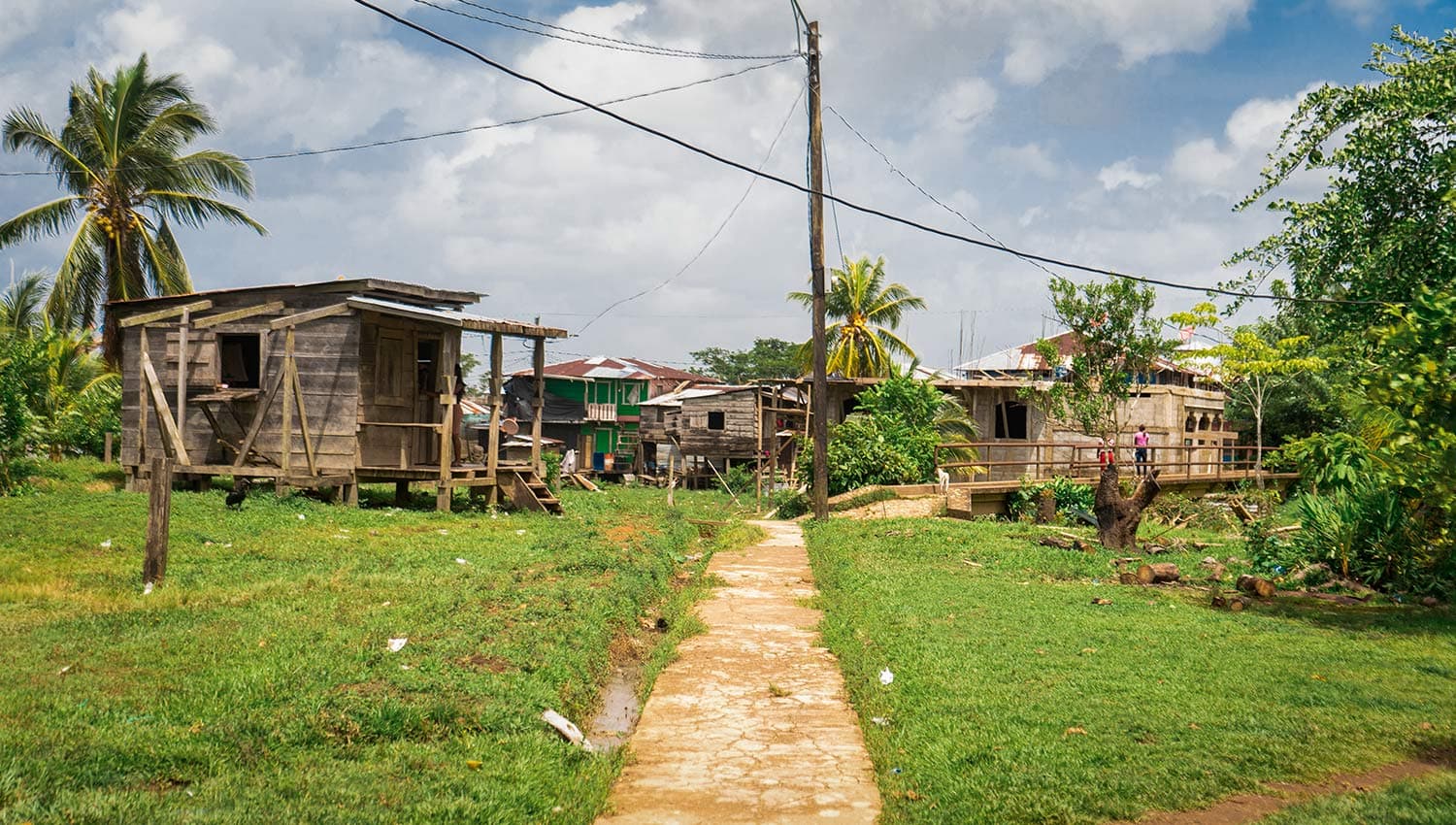

A total of 35 participants from different governmental institutions, service providers, and NGOs took part in the four-day WASH-BAT workshop. Attendees included various Nicaraguan ministries and organizations including Nicaragua’s National Water Authority (ANA), the Ministry of the Environment and Natural Resources, the Ministry of Health, the Climate Change Secretariat, the Emergency Social Investment Fund, Bilwi Municipality, representatives from the RACCN government, the national service provider ENACAL, and representatives from the NGO RASNIC and the Red Cross, among others.
To integrate a climate lens into the WASH-BAT, a 2-step methodology was implemented. Initially a climate risk analysis was done for May to July 2022 by a ‘workshop task force group’ made up of key members of the most relevant water and sanitation organizations from the country, whilst members from the Climate Change Secretariat and the Emergency Social Investment Fund were also involved. Hurricanes, floods, wildfires, and heat waves/high temperatures were identified as the most pressing climate and environmental-related hazards for the provision of WASH services in rural areas of the RACCN. The second step of the methodology was all of the participants then had to prioritize the identified threats in order of relevance for the RACCN, which they ordered as floods as most pressing, followed by hurricanes, wildfires, and then heat waves.
The risk analysis conducted during the workshop further concluded that the greatest risks were associated with the physical and financial impact of floods and hurricanes on critical water, sanitation, and hygiene infrastructure. Risks were also associated with the environmental impact of flooding on water sources (surface and groundwater). Among the main risks, the social impact on the rural population (including the indigenous population and vulnerable children) of floods and hurricanes also stood out.
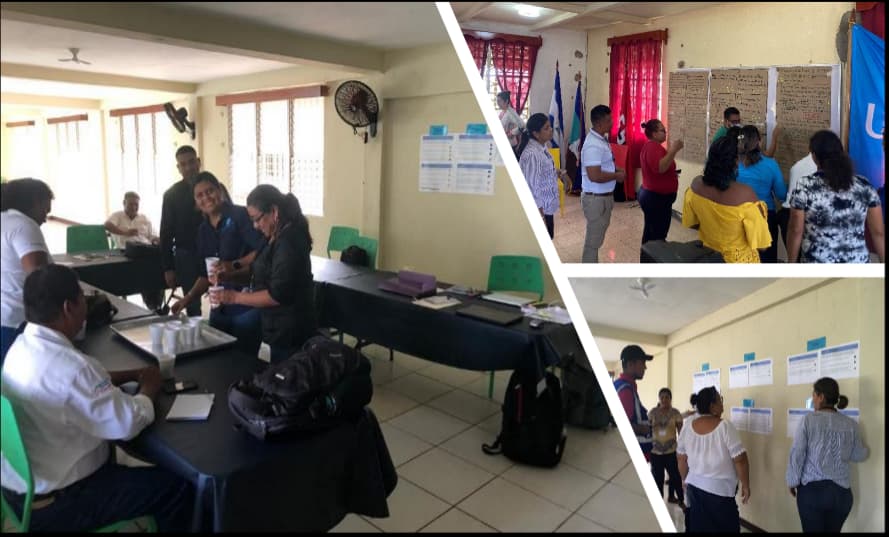
As a result of the workshop an Action Plan was developed with nine final activities, which included:
These activities were then integrated into the Bilwi’s Declaration, which was signed by ANA, with the acknowledgement of all the participants. This final Declaration is hoped to be a relevant policy instrument, which will engage other stakeholders in the development of a shared action plan for the delivery of more climate-resilient and inclusive WASH services, at both household and institutional levels.
Additionally, a short session called ‘recalibration’ was facilitated after the activities were defined on day three, to discuss ways in which actions could be made more climate resilient. Despite the strong focus on environmental risks associated with climate change throughout the workshop, it was this particular dialogue with the participants that ensured climate issues were considered in the final Action Plan.
In conclusion, climate and environmental hazards are high on the agenda in Latin America and the Caribbean, and the RACCN region in Nicaragua is no exception. By working with UNICEF and local governments, SIWI will continue to focus on this key topic by developing methods that allow context-based solutions to be applied and sustained over time in the LAC region.