Stay informed
SIWI newsletter
Receive SIWI’s latest news, events, reports and jobs directly in your inbox.
You can unsubscribe at any time.

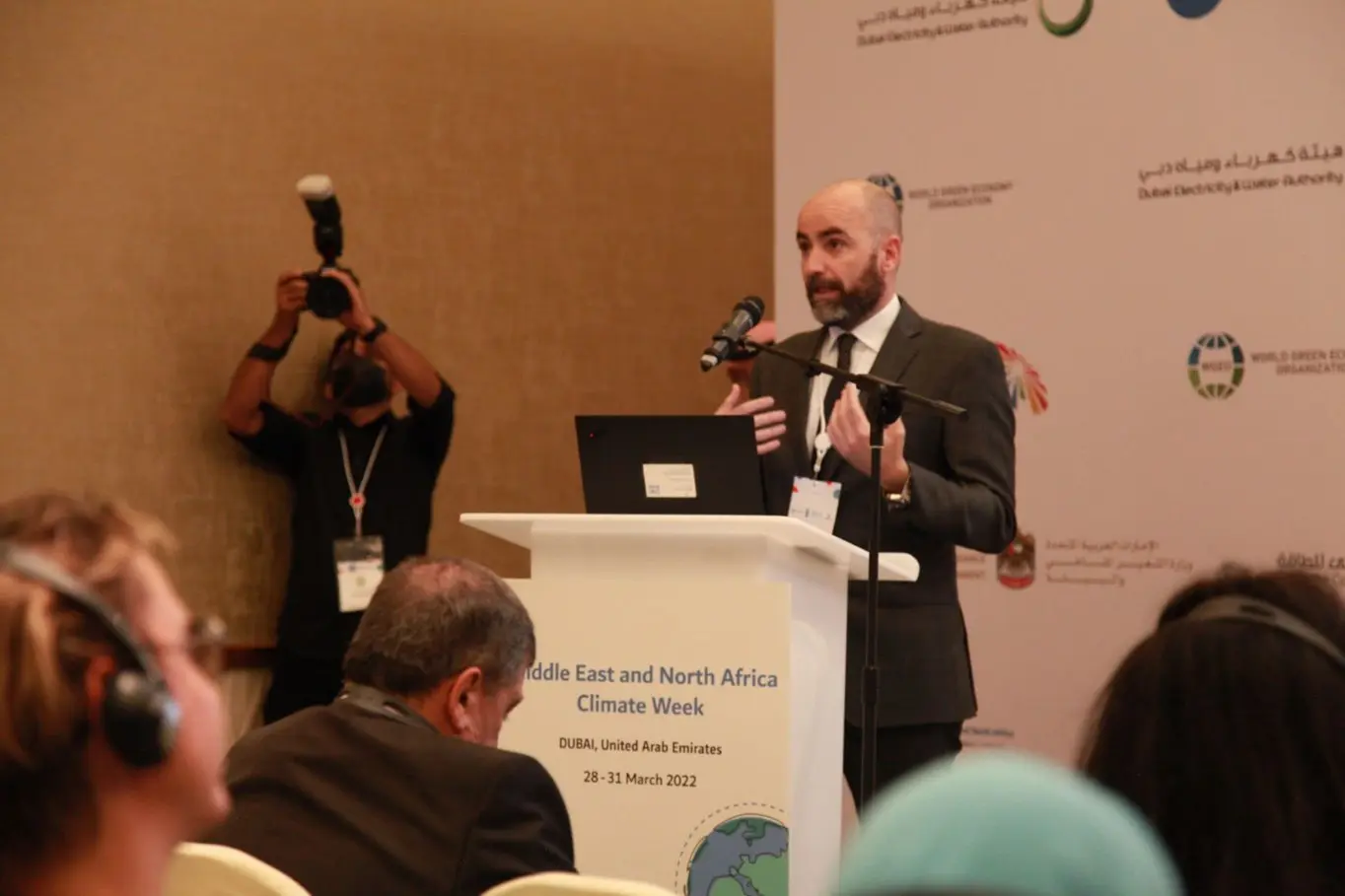
MENACW enabled an opportunity to address social inequalities and invest in good economic development for humanity and nature and provided a platform for national governments, cities, subnational regions, businesses, financial institutions, and civil society to discuss and identify opportunities to enhance climate action.
During the opening remarks, the representative ministers highlighted the importance of this event in providing a platform to discuss key climate challenges and propose intelligent solutions based on ongoing and ambitious climate action.
The participating key stakeholders indicated that the MENA region faces several growing climate change impacts, including flooding, drought and deforestation, sea-level rise and food security. They also mentioned that climate action opens opportunities for new business with innovative techniques and economic mobilization.
The regional action toward climate change adaptation and mitigation is an opportunity to build local knowledge and improve global resilience. Financial support, innovative technologies, increased sustainability action and coordination among all stakeholders are crucial to achieving this change.
On 30 March 2022, SIWI & UNICEF MENA regional office organized a side event “Strengthening the enabling environment to tackle water scarcity and build climate resilience in MENA”, aiming to dive into the untapped potential of drinking water and sanitation for climate action in MENA. The session started with SIWI head of water and sanitation department, Alejandro Jiménez, presenting the regional status of the climate change enabling environment as it relates to water and WASH. Then, a panel discussion was conducted to discuss climate change policies and strategies, regulations, climate financing, and youth engagement and participation in climate change planning.
MENA is the most water-scarce region globally, with typically unsustainable water supply systems, increasing water demand, and adverse climate change impacts, all of which affect drinking water services. A UNICEF representative described how non-revenue water contributes to water scarcity and what UNICEF is doing across the region to strengthen the enabling Environment of climate-resilient water services.
He mentioned “There is a need to analyze the water sector with different tools – including WASHBottleneck Analysis Tool (WASHBAT), to explore the challenges and support the national key stackholders through the ongoing programs and UNICEF country offices”.
A case study from Iraq was presented. The MoW Iraqi representative indicated that Iraq faces many challenges, including high water consumption, transboundary water issues, and the war. He highlighted the role of the private sector and international organizations in supporting the responsible national entities.
During the panel discussion, HE., the Secretary General of the Arab counties Water Utilities (ACWUA) indicated that the region lacks regulatory bodies. There is a need to create a roadmap for financial investment and improve the institutional and governance frameworks besides having master planning to identify all available resources and the demand from different aspects.
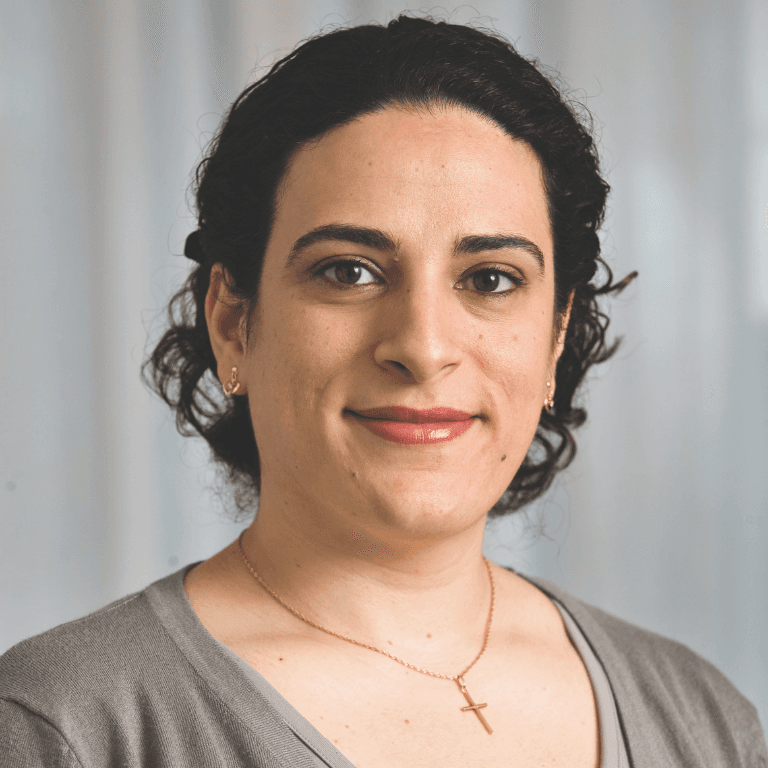
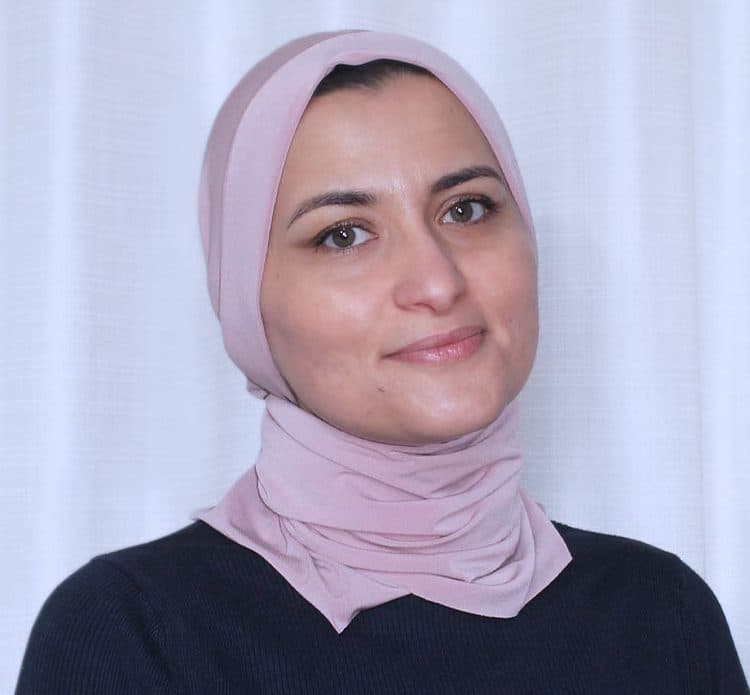
A youth representative was invited to the panel discussion to talk about her experiences of youth engagement in water-related aspects of climate change policy development in MENA, and how well structured has youth engagement been. She highlighted the need of developing youth engagement strategies and have a clear structure of youth involvement in such strategies after addressing the gaps in youth engagement.
The Water Sector Lead of GCF and Chair of Water Security Bureau-IWRA, Dr Amjad, described the challenges of water and climate financing in the MENA region. He mentioned that the MENA region is underpricing water and water services, besides the long payback period of capital investment projects.
There is difficulty monetizing the benefits due to the poor business models. The region needs to maximize the value of existing water assets and attract more finance by supporting enhanced water conversation efficiency models.
There should be a focus on the Green Climate Fund, new technologies, and collaboration between water and other sectors. There is a need to assess the impact of the available policies in tracking mitigation benefits from economic diversification. Besides, the national policies and regulations should consider planning the transition from fossil fuel economies to the green economy.
The conference highlighted the need to develop climate finance strategies and set up regional priorities to push global climate finance toward the MENA region, including for water and WASH.
The second event, also held on 30 March, was entitled “Fortering Peace through Sustainable Water Future.” The session was co-convened by UNDP, SIWI and IFAD under Track 2: Integrated Approaches for Climate Resilient Development.
The objective of this session was to highlight the critical importance of considering climate security and the fragile contexts in which climate actions take place in the MENA region.
Currently, national determined contributions (NDCs) submitted under the Paris Agreement do not consider the conflicts or broader regional security aspects that may influence – and be influenced – by a country’s actions to address climate change.
Furthermore, water security is largely considered as a siloed approach under adaptation commitments in the NDCs. However, except for a for a small share of countries who commit to mitigation through actions on wastewater, water considerations did not figure into the formulation of mitigation commitments such as energy or agriculture – two sectors which consume an immense amount of water.
The session highlighted the importance of integrated approaches to climate action, water, peace and human security through a panel discussion comprising representatives from countries, international organizations and academia. The event increased awareness about these issues specifically in relation to financing, policy as well as governance and data capacities specifically in relation to operating in fragile or conflict contexts.
MENACW was hosted by the government of the United Arab Emirates represented by the Ministry of Climate Change and Environment, the World Green Economy Organization, Dubai Electricity and Water Authority in cooperation with the United Nations Framework Convention on Climate Change (UNFCCC), the United Nations Development Programme, the United Nations Environment Program and the World Bank Group, with the support of regional partners: the International Renewable Energy Agency (IRENA); The League of Arab States, the United Nations Economic and Social Commission for Western Asia, and the Islamic Development Bank.
According to the event organizers, around 4000 participants joined more than 200 in-person and online sessions, with about 500 speakers from 147 countries.