Stay informed
SIWI newsletter
Receive SIWI’s latest news, events, reports and jobs directly in your inbox.
You can unsubscribe at any time.

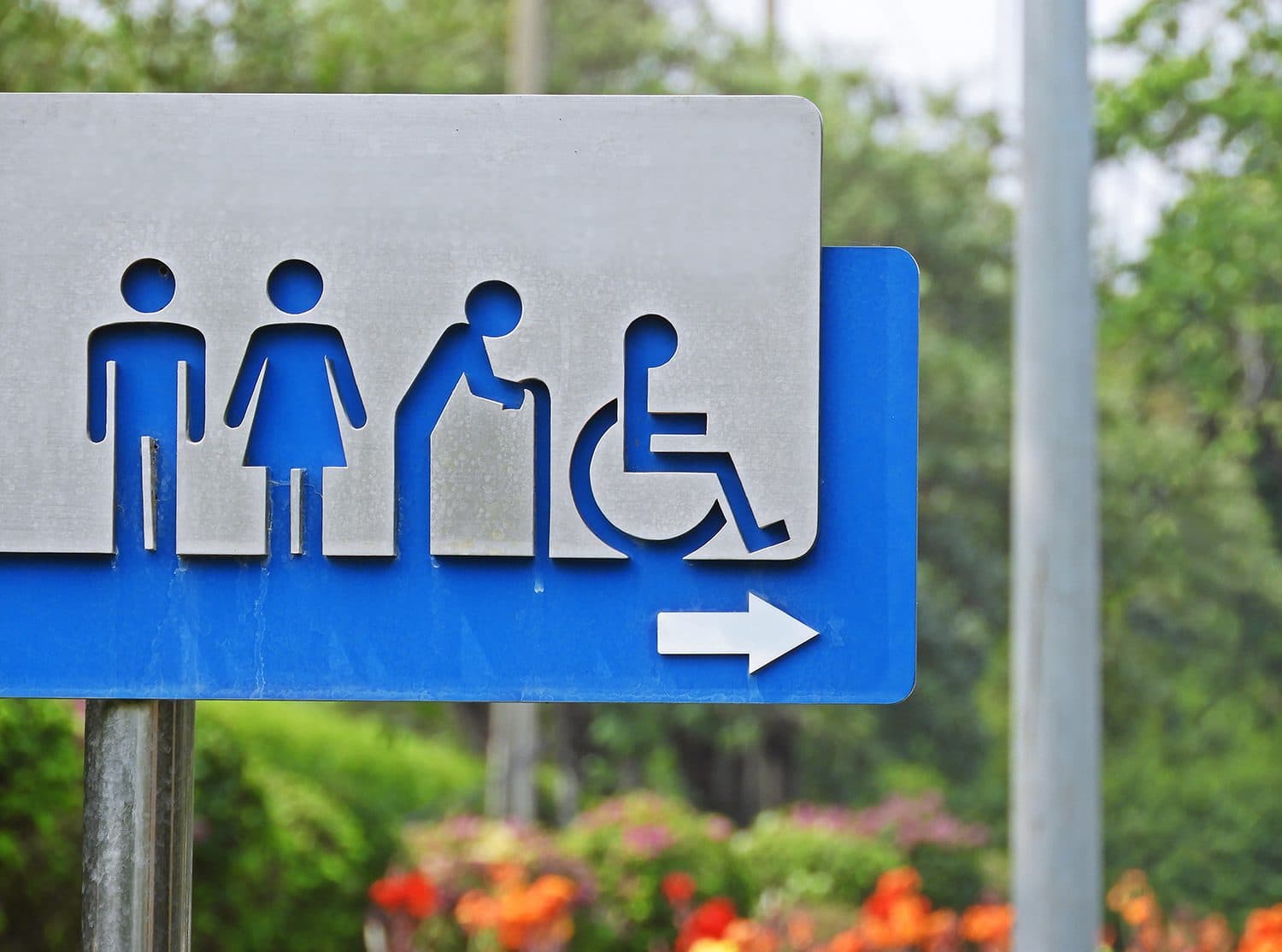
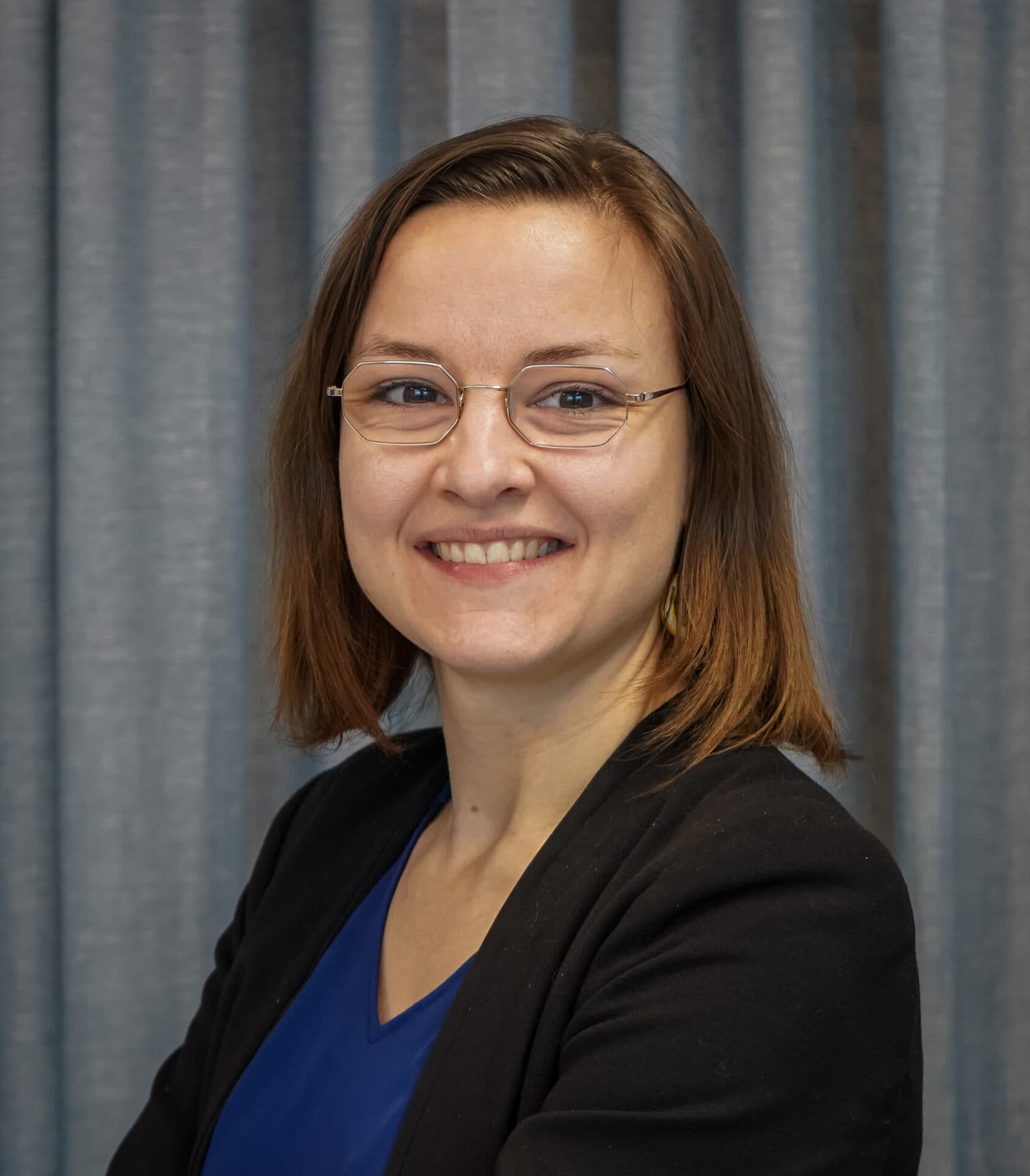
Public bathrooms might be one of the places where gender inequalities are the most visible. Yet, often distracted by gender stereotypes about who uses these toilets, we rarely seem to think that longer queues on the women’s side is in fact a structural and political issue. Building on UN Water’s campaign, let’s have a look at what can been done to strengthen toilet equity, and make toilets in public spaces more accessbible for all.
In most countries, there is the same number of bathrooms available for women and for men in public spaces. When in fact, people using women’s toilets have very specific needs and would require more toilets:
All of these factors create huge inequalities in accessing toilets in public spaces for women, non-binary people and other marginalized groups.
Since 2018, SIWI’s WASH team, in collaboration with the Inter-American Development Bank, has been studying access to toilet facilities in public spaces from a human rights perspective.
SIWI studied these criteria in San José and Barranquilla and highlighted challenges for the realization of each criteria.
It is crucial to keep in mind that the main users of toilet services in public spaces are also the most vulnerable groups: people living on the street with low or no income, migrant populations, people with disabilities and those assisting them, and elderly people. On top of which, comes the gender aspect. As mentioned above, women, girls and gender-non-binary people, who can also be part of these vulnerable groups, have specific needs when using a bathroom.
The study in the two Latin America cities included interviews and focus groups with stakeholders from these communities. Through a participative process, they identified key actions to improve the provision of toilet facilities in public spaces. Solutions include:
Policymakers, architects and planners must take the question of toilets in public spaces seriously and include primary users in the process. Inclusion is crucial to ensure that solutions provided are sustainable and adapted to users’ needs.
SIWI will continue to work with local communities and governments to highlight good practices and support the development of diverse solutions, adapted to different contexts.
And we hope that, next time you see long queues of people waiting for the women’s bathrooms, you now have the tools to debunk some misconceptions.