Stay informed
SIWI newsletter
Receive SIWI’s latest news, events, reports and jobs directly in your inbox.
You can unsubscribe at any time.

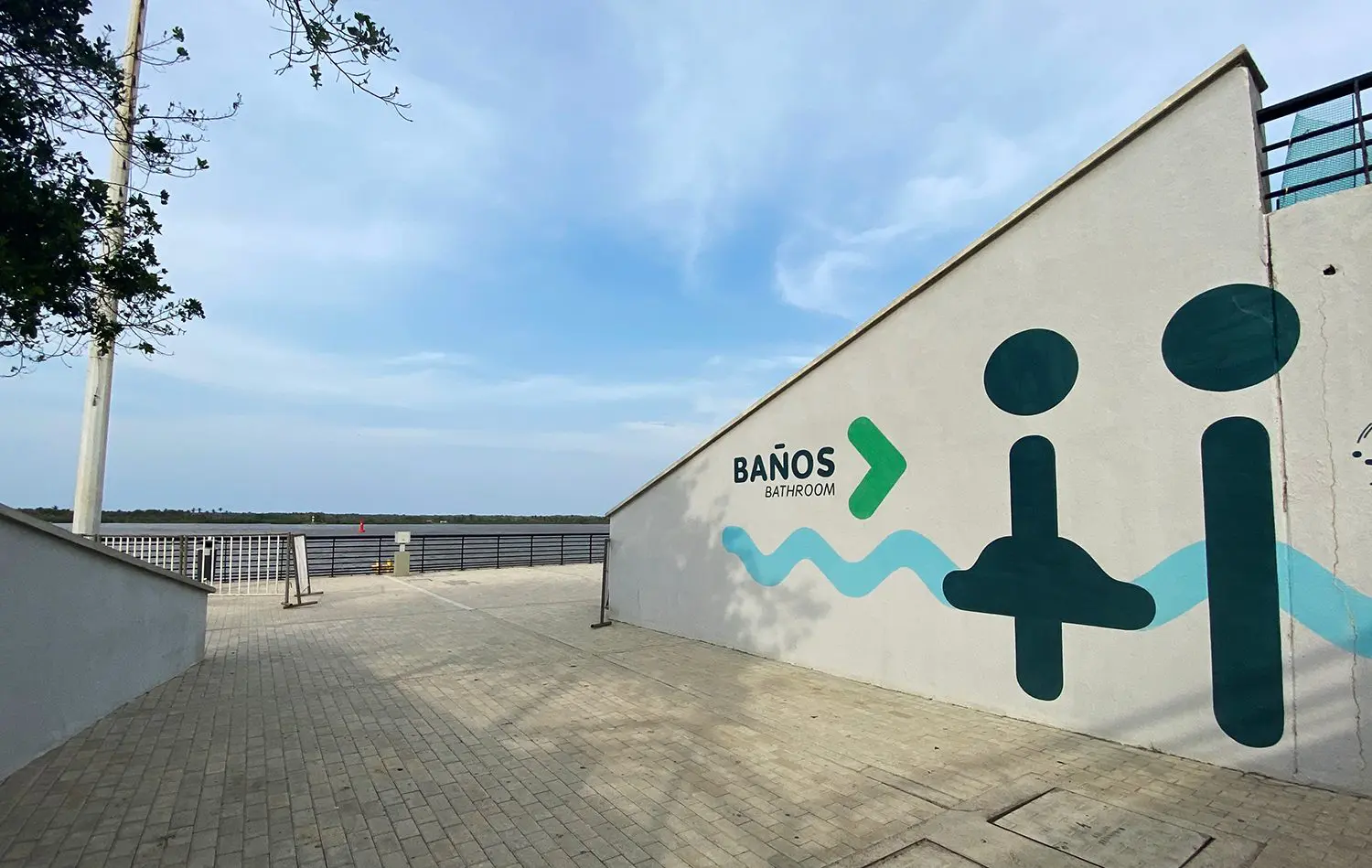
Governments’ efforts to provide basic water and sanitation services have primarily focused on the home. But the needs to access bathrooms and drinking water go beyond the household sphere and extend to public spaces, where some people spend long periods of time.
The realization of the human right to sanitation implies guaranteeing availability, accessibility, affordability and quality, as well as the safety, acceptability, privacy and dignity for the users, wherever they may be. If we are to achieve the 2030 Agenda, and especially SDG 6 on water and sanitation for all, it is urgent to accelerate the provision of toilets in public spaces. Access to efficient toilets in public spaces contributes to:
SIWI and the IDB have partnered to assess the situation of sanitation in public spaces in Latin America. Studying the cities of San José, Costa Rica and Barranquilla, Colombia, we have identified some challenges and ways to improve.
The study started with identifying needs through interviews and focus groups with people representing the most vulnerable populations.
Both San José and Barranquilla are characterized by the presence of a large immigrant populations. Representatives from this group mentioned the lack of adequate bathrooms in intercity transportation terminals. They stressed the need for sanitation facilities including showers that guarantee safety and privacy. The availability of lockers and hygiene products are also essential in this context.
In this regard, we can take inspiration from the Ministry of Railways of India. They have developed a manual of standards and specifications for railway stations, which defines the areas that must be equipped with toilets and drinking fountains. The manual also provides guidelines for the minimum design requirements, considering finishes, materials, lighting, signage, frequency of inspection and cleaning, and privacy aspects, among others.
In the case of the transgender community, discrimination and exposure to violence and abuse are the main barriers limiting access to toilets. Governments should put measures in place to eradicate abusive behaviour and gender-based violence. It is critical to ensure dignity, non-discrimination, and safe access to bathrooms in public spaces for all. That could mean considering implementing a third space for gender non-conforming people or switching to gender-neutral bathrooms.
People living on the street rely a lot on public bathrooms to manage their basic needs. However, they are often denied access to such facilities because of discrimination and lack of resources to pay a fee when needed. In addition to basic hygiene products like toilet paper, soap, sanitary pads or bandages, specific solutions for homeless people should include additional washing products and laundry facilities.
In many places, including San José and Barranquilla, special programs have been implemented by governments and, in most cases, donor-funded NGOs. But the initiatives appear to be insufficient. And, in some cases, solutions are unsustainable in the medium term due to lack of resources.
Public spaces are also very rarely adapted to people with disabilities. When they do exist, most solutions only take mobility into account, ignoring other types of disabilities like vision impairment, psychological and mental disorders. This lack of inclusivity severely limits the use of public spaces by this community.
In the United Kingdom and Australia, there is a special initiative for people who require a high degree of assistance to use the bathroom with additional facilities called “changing places” (CP). The CP initiative provides for rooms equipped with a WC, basin, hoist, adult-sized changing bench and shower and larger space to accommodate several people if someone needs assistance.
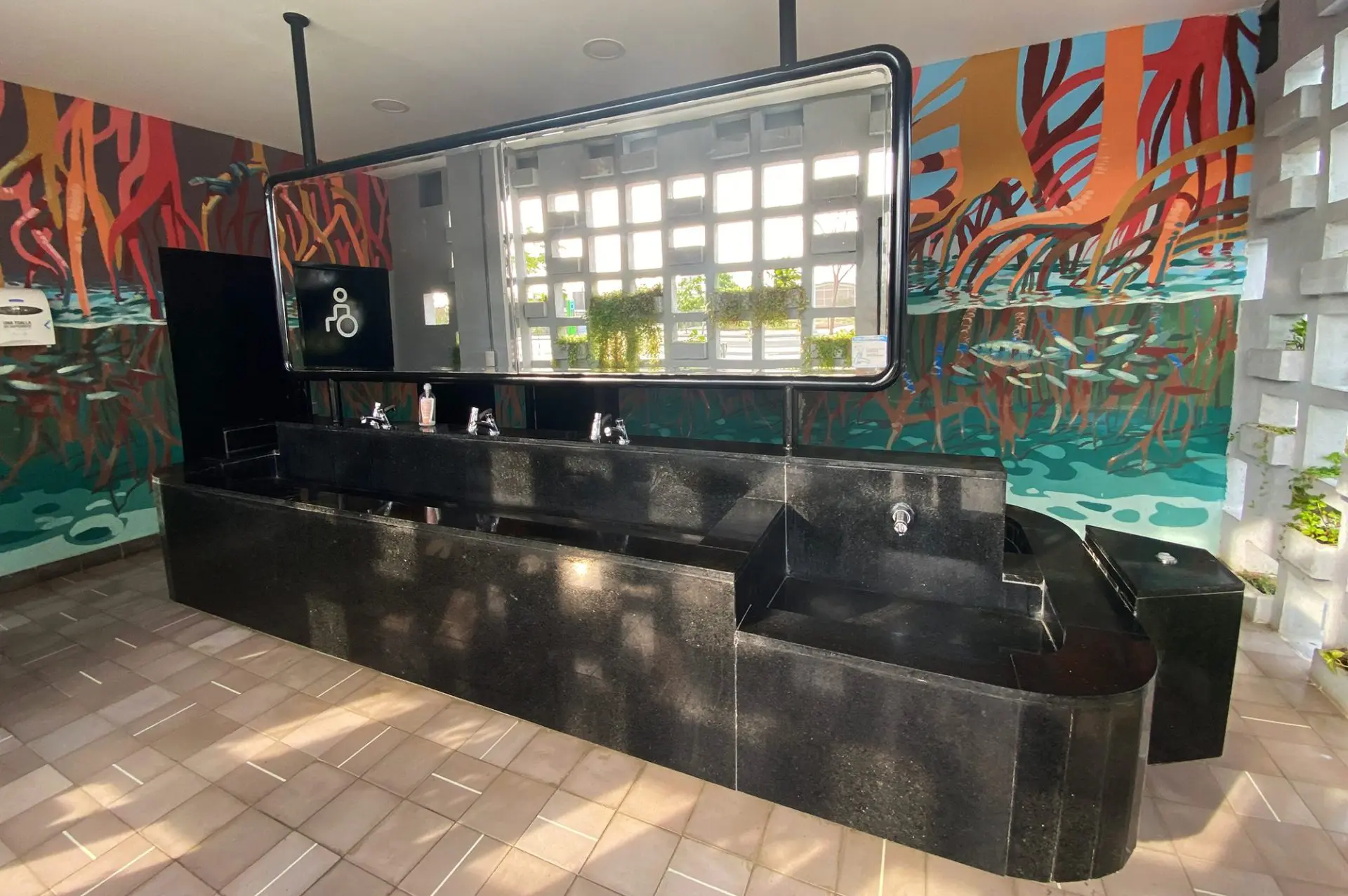
To support the implementation of diverse solutions adapted to different contexts, SIWI and IDB are developing a catalogue of good practices. The catalogue, presenting about 10 action sheets with 40 cases in about 20 countries around the world, will be published later this year.
Based on the diagnosis, the mapping and characterization of toilet services in public spaces, and through a participatory process with stakeholders, both cities developed roadmaps of actions needed to increase availability and improve service delivery.
With these studies in San José and Barranquilla, SIWI and the IDB are hoping to inspire other cities in Latin America to invest in actions to promote sanitation facilities in public spaces. Addressing the needs of people in the most vulnerable situations is critical to build more inclusive and resilient societies.